When it comes to determining the state of your well being, sometimes it all seems to come down to numbers – your weight, blood pressure, cholesterol. All of these numbers give doctors an idea of how healthy you are. A vital number that measures your health and overall risk for disease is the BMI or body mass index. Your BMI measures your assumed body fat in relation to your height, and it is one of the most reliable ways to measure body fat since muscle mass, bone density, and the size of your frame aren’t taken into account with other simple weight measurements. It’s not perfect…
Let me say up front that I know that the concept of BMI is debated in terms of it’s validity. It is a formula that was created back in the 1800s and of course body image and eating habits have changed dramatically. It also doesn’t take into account any tendencies for some women to be more curvy or social norms in communities like ours (black women) about weight and size. Many people are shocked when their BMI denotes that they are obese or extremely obese and they don’t feel that they fit that description. I’m writing about it because I think you should be very aware of it since the medical profession uses it and your doctor, nutritionist or other medical professional is likely using it as a guide to determine whether you are “overweight”. You have to make your own decisions about whether you think BMI is a valid measurement. Many do not. That being said, let’s talk about what BMI is.
BMI: Where You Are and Where You Should Be
All it takes is a simple math equation to determine your BMI. If the math is too daunting for you, there are also BMI calculators online that allow you to punch in your numbers and get an answer without crunching any numbers yourself. To calculate your BMI you will need to know how much you weigh (in pounds) and your height (in inches). Following is the equation you should use to calculate your BMI:
(Weight / (Height x Height) ) x 703 = BMI
Your BMI says a lot about your health. In fact, it is a better indicator of obesity than the number on the bathroom scale. Your BMI will also tell you if you’re underweight. Take a look at the following to see what your BMI says about you:
- 18.5 and Lower – Underweight
- 18.5 to 24.9 – Healthy Weight
- 25 to 29.9 – Overweight
- 30 to 39.9 – Obese
- 40 and Over – Extreme Obesity
Why Your BMI Is a Useful Measurement
Maintaining a healthy weight involves a great deal more than hitting a “golden” number on the scale. In fact, most people inaccurately estimate what their healthy weight should be and overshoot or undershoot their ideal weight. Instead of picking a weight goal and working toward it, most doctors recommend tracking your BMI for a better look at the whole picture. Here’s why your BMI is a useful measurement:
- Assesses Risk – Your BMI is an extremely important predictor of risk when it comes to cardiovascular diseases, high blood pressure, and diabetes. People who are considered overweight have an increased risk for these diseases and those with a BMI of 40 or greater have an extremely high risk for developing these conditions.
- Predicts Disease – People with high BMIs are more at risk for developing several types of cancers, osteoarthritis, respiratory issues, infertility, gastro esophageal reflux, incontinence, type 2 diabetes, and strokes. Simply by knowing your BMI, your doctor will know what types of diseases to screen for during your routine examinations.
Special Considerations
In some cases, BMI measurements aren’t accurate. For example, someone who is a professional body builder will weigh more due to muscle mass. While their BMI might indicate they are overweight, they are anything but. Following are some exceptions to the BMI chart:
- Competitive athletes and body builders
- A person with high muscle mass and high bone density
- Pregnant women
- Children (without the aid of a growth chart)
For these groups of people, the BMI is not a good measurement of overall health. In the case of children, BMI measurements can shed some light on health and weight issues but it must be cross referenced with a growth chart in order to determine where a child falls in relation to his peers. Age must also be taken into account.
How to Lower Your BMI
If your BMI is higher than it should be, you can lower it by making positive, healthy changes in your life. The best way to lower your BMI is by eating a healthy, balanced diet and increasing your physical activity in an effort to lose weight. And it doesn’t take a great deal of weight loss to dramatically bring down your BMI. If you lose as little as 10-percent of your body weight, it can have a profound impact on your BMI. Making simple, modest changes today can greatly impact your overall health and your BMI tomorrow.
 Proper hydration is one of the most important aspects of healthy living. Just look at what happens when you water a plant. It perks up and seems to spread itself towards the Sun. Nearly all the life on this planet exists only because of water. Human beings can survive for weeks without food, but only three days without water. While there are parts of the world where people do not have access to clean drinking water, many of us are blessed to have water literally on tap that only needs to be filtered to make it safe to drink. It’s such a blessing, and yet many people in the West are chronically dehydrated.
 While it is true that there is more pollution entering our bodies now than in any point in history, this does not automatically mean that all people are suffering from toxin overload. If you may not be “toxic” if you…
 Some religious and spiritual practices include periods of water fasting to purify the mind, but this is not a sustainable way to stimulate detox for weight loss long term. I’m not saying that people don’t report benefits from water fasting, because it is known to help, but the reasons and time frames are varied. Too varied for me to recommend it in connection with weight loss. There are several ways to effectively detoxify the body, and many are quite gradual and gentle. Some include periods of fasting on vegetable juice, but even eating a careful diet (raw fruits and veggies for example) can be a helpful detox. If you haven’t done your research, water fasts should only be practiced by healthy adults under the supervision of a doctor or qualified health care professional or within a spiritual context..
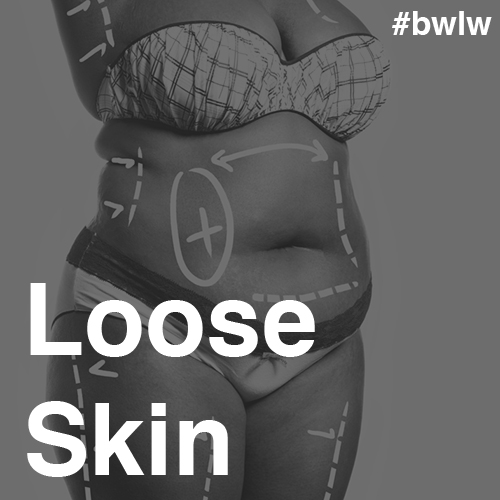 For many people, the joy of watching the number on the scale and the size of their clothing go down gets overshadowed by the presence of loose skin. Not only can your skin get loose and saggy after extreme weight loss, your body can maintain the same shape it had before your weight loss efforts. The image in the mirror, while smaller, appears to change little all the while your skin loses shape and elasticity. Fortunately there are ways you can combat loose skin while dieting.
 5 Benefits of Weight Loss Resorts
 What’s in a Name? The Hidden Names of Processed Sugar
 I recently posted an article all about