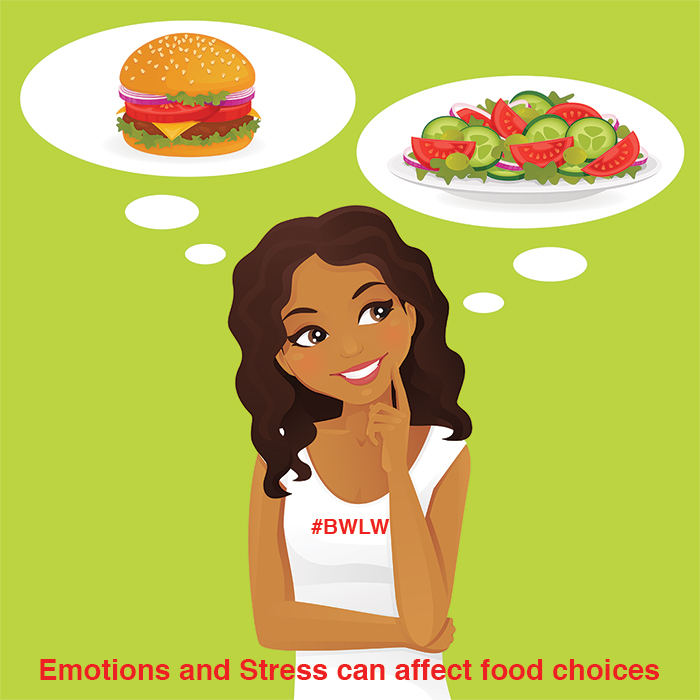
 Stress eating, emotional eating and eating for comfort involve the consumption of calories when the body is sufficiently fueled and not hungry. Eating when you’re not hungry can lead to weight gain, self-esteem issues, depression and avoidance of working through stressful situations and difficult emotions. I’ve had a stress eating issue at work before and it made me feel crazy. I knew I didn’t want to eat, but eating calmed me down and it was the first thing I wanted to do after a stressful meeting. It’s a real temptation.
Since the body needs food in order to survive, the brain has developed a reward mechanism. Each time you eat your brain is flooded with feel-good chemicals, leaving you feeling comforted and satisfied. Eating can help you avoid your problems for a moment and bask in the warm afterglow that comes along with finishing off the last of the pizza or your favorite sweet rest. For this reason, stress eating can become an addiction and food addiction is real. Those simple actions become a habit you can’t seem to break.
Dealing with Stress Eating: How to Stop Eating Your Emotions
- Learn Your Triggers – Learn your triggers by keeping a food journal. Write down everything you eat and include how you felt before and after you ate. It’s also a good idea to note your state of hunger before eating. If you’re eating when you’re not really hungry or if you find yourself eating a short while after a meal, you’re likely eating due to your emotional state and not any sense of real hunger. Tracking your emotions and eating habits can help you realize when you’re stress eating so that you can break the habit.
- Keep Junk Out of the Office and Your House – You can’t eat it if it’s not there. Set yourself up for success by purchasing healthy foods. Leave the junk at the store. It’s human nature to grab what’s on hand. If you have unhealthy foods in the house or your desk, you will eat them. If you only have healthy snacks on hand, you will not be as tempted to indulge. Even if you do chow down on a handful of carrots, you won’t do much damage.
- Choose Healthy Alternatives – A bowl of raw fruits and veggies or chocolate ice cream, which do you think is better? Of course, the former is a better option. Each time you feel hungry or the need to consume comfort foods, eat a light, healthy snack. This will help curb your cravings without adding many calories to your daily total.
- Social Support – Your family and friends can play a huge role in helping you manage stress eating. They don’t even have to know. Stay busy and connected with those in your social network by planning lots of activities and gatherings. If you feel like you want to eat, pick up the phone. Staying connected with loved ones will not only keep your mind off of eating, it will improve your emotional well being which will also result in fewer instances of stress eating.
- Confront Your Emotions – Confront your emotions rather than hide from them. Whenever you feel down, lonely, stressed, bored, angry or any other emotion that makes you want to turn to food, work through it. Look at the problem at hand and deal with it.
You can stop eating your emotions. All you have to do is recognize your triggers and find ways to stop reaching for food when they occur. It may take some time for you to break the habit, but each time you successfully control the urge to eat when you’re not hungry, you’re one step closer to developing the healthy habit of breaking the link between your emotions and eating.

 One of the hardest things about weight loss is being accountable for your actions. This month, we are asking you to share your journey with the world and to be accountable to the group. We’ve been working for 10 months this year and now it’s time for you to show your work.
 Get motivated. Have Fun. Lose Weight. Win Money. That’s a


 Yo-Yo dieting is expensive. Buying into weight loss plans over and over again is expensive. Gym memberships and personal trainers cost money. Buying pills and supplements for fad diets is expensive. Time is money, and you will spend a lot of it on your weight loss efforts in terms of workouts, preparing meals, etc. Knowing all of this, means that it is important to commit to your weight loss goals and do the work so that all of your effort doesn’t go to waste.
 Today’s Weight Loss on a Budget Tip – #29: Don’t Follow The Fads! This tip is really easy to understand and follow. The bottom-line is that weight loss is an Industry! Any industry needs products, diverse products. If you’re in business, you also have to create new products to keep your marketshare and keep your customers interested. The way this works in the diet industry is that there are new fads, books and workout styles that become popular each year and those that die out. Sometimes the old diet and exercise fads will come back, and sometimes they are exposed as fads and abandoned by their followers. Buying into all of these plans and equipment can be very expensive, especially if you don’t lose weight with these plans.
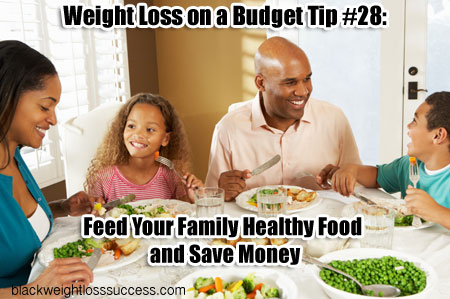 Today’s tip for weight loss on a budget: Tip #28: Feed Your Family Healthy Food and Save Money. One of the main issues I hear from mothers is that they have to be able to feed their whole families while changing to healthier eating habits. Many people think that eating quality food has to be expensive, but it doesn’t have to be if you are strategic and do your research about deals, sales and pricing.