I whip up this smoothie very, very often in my trusty Nutribullet, so I thought I’d share the recipe with you this morning. It’s a great, anytime smoothie with lots of nutrients, vitamins, fiber and protein. Balanced, Creamy and Sweet with just 232 calories.
I used SunWarrior’s Warrior Blend Vanilla Protein Powder. I love it because it’s vegan, dairy-free, gluten-free and soy-free. With no added sugar, artificial flavors or artificial sweeteners, it’s a great choice for those who want a more natural protein powder.
Prep time: 7 mins
Cook time: 3 mins
Total time: 10 mins
Serves: 1 serving
Ingredients
½ cup mango, frozen
½ cup mango, frozen
1 cup raspberry, frozen
1 cup raspberry, frozen
1 cup kale, chopped
1 cup kale, chopped
1 scoop Warrior Blend Vanilla Protein Powder
1 scoop Warrior Blend Vanilla Protein Powder
¾ cup of water
Instructions
Load all of the ingredients into your blender. Add the fruit and water first, then the other ingredients.
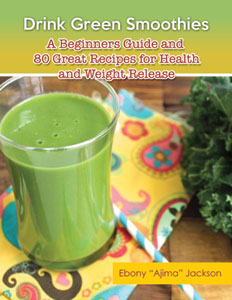
If you would like to learn more about making delicious green smoothies, check out our green smoothie e-book, “Drink Green Smoothies“. It’s a detailed guide with over 80 delicious recipes.
Eating the same vegetables is certainly better than eating no vegetables. However, a lack of variety in the greens you consume doesn’t just lead to boredom but can also have negative health effects for some people.
Rotating Vegetables is Important
It’s common knowledge that eating a variety of foods is the key to good health and vegetables are one of the most important food groups to eat daily. Though all vegetables are important, green vegetables are one of the most nutritious food for a few different reasons.
Green vegetables are packed with vitamins- primarily A, B, C, E and K
They are a great source of dietary fiber- soluble and insoluble
These vegetables support and strengthen the immune system
They help the body heal damaged cells
Eating them regularly will lower bad cholesterol
Green vegetables contain minerals and phytochemicals not present in any other foods
It is easy to eat the same leafy greens repeatedly, especially if you eat a lot of salads. Typically when someone finds a vegetable or salad blend they enjoy they tend to keep going back to it. This habit can lead to some unintended consequences.
Why You Need a Variety of Green Vegetables
There are two ways eating the same green veggies over and over is counterproductive to your health:
You limit how much nutrition you can gain from your daily servings because the nutrients aren’t diverse.
Some vegetables may be harmful in large quantities depending on your health. These you have to rotate.
Not all greens are created equal and some varieties have more nutrients than others. For example, iceberg lettuce is common in many store-bought salad blends and is often used in salads at restaurants and fast food joints. Iceberg is mostly just water and lacks nutrition, therefore eating this vegetable isn’t going to help you much as eating a variety of greens. Instead you should eat a variety of salad lettuces higher in nutrition and mix them all up. If you don’t rotate the green veggies you eat, you could be causing your diet to become deficient in minerals or vitamins like calcium or vitamin C.
Become familiar with what nutrients and vitamins are in the green veggies you’re eating. Look them up online on sites like Fooducate and the USDA’s Nutrient Database and you’ll be able to see the nutrient composition of the green veggies you eat regularly and which ones you could add to your diet. and If you eat high-quality produce and a large variety you won’t need to take a lot of dietary supplements.
Although the vegetables you find at your grocery store or farmer’s market are all safe for consumption, eating the same produce over and over or eating one type of vegetable in very large quantities can cause health problems for some people who may not be aware of the potential issue. Let’s use spinach as an example.
Spinach is a very, very nutrition leafy green that is rightfully considered a superfood. It is common in salads, green smoothies and many other dishes. Have you noticed that your teeth may feel somewhat gritty or like they have a coating after eating spinach? This is because of oxalic acid. The average healthy person could eat a few handfuls of spinach a day without a problem. However, some people are more apt to developing kidney stones, a condition that eating a lot of spinach can exacerbate. Eating nothing but spinach or a large amount every day is what we are talking about. Most people would have no issue, just people with specific medical issues. The problem: Many people may not be aware that they have these medical issues.
“It is now generally believed that the body can dispose of oxalic acid at even relatively high dietary quantities without trouble. Trouble arises for people who may have a genetic predisposition that impairs their bodies’ ability to process oxalic acid, so they may need to regulate their intake of it.
Those with kidney disorders, gout, rheumatoid arthritis, or certain forms of vulvodynia are typically advised to avoid foods high in oxalic acid. For a normal healthy person developing kidney stones from a high volume of oxalic acid in foods is very unlikely.” –Rebootwithjoe.com
Should we avoid eating oxalic acid? No, we just have to be aware of our own health and understand what is in the green veggies we eat so that we can get the most out of them. Just like many things in life, too much of a good thing can be a bad thing in some cases. Always eat a variety of vegetables and leafy greens. This is especially crucial for those eating a vegetarian or vegan diet.
How to Rotate Your Green Veggies
Eating a variety of green vegetables is more than just buying a different lettuce the next time you go grocery shopping (though this is a good place to start). First you need to understand the different families of vegetables. Here are the 4 main families of greens you’re going to commonly use in green smoothies and salads.
Cruciferous
kale
cabbage
mustard green
broccoli
cauliflower
arugula
collard greens
Amaranthaceous
swiss chard
beet greens
lambsquarters
spinach
Asteraceous
lettuces (romaine, butterhead, etc.)
dandelion greens
Apiaceous
parsley
cilantro
When it comes to rotating your greens you don’t want to just rotate varieties within a family but also the families themselves. So, if you eat a lot of kale in your smoothies one week, try to use lettuces or spinach the next week. This also goes for salads you make or just any vegetables you use in cooking. Make a concerted effort to try a new vegetable every time you go grocery shopping.
Fiber is a super important nutrient that primarily affects digestive health. Unfortunately, the average American’s diet is lacking in fiber. The typical woman in this country only consuming around 15 grams when she should be consuming at least 30 grams. That’s the average. Many people are eating far less.
Aside from general health, there is another reason fiber is so important. It can help you lose weight and maintain a healthy weight! Check out this info, which includes our top 10 fiber picks.
Fiber and Weight Loss
There have been a few studies done on the subject of fiber and its effect on weight. One main study featured in Nutrition Reviews had results that showed participants who ate just 14 grams more of fiber per day lost 4 lbs in 3.8 months. Keep in mind that this result was from only changing fiber intake, nothing else. That is very impressive.
Another study published in the Annals of Internal Medicine confirmed that participants that ate 30 grams of fiber a day with no other dietary changes lost an average of 4.6 lbs. Additionally, those who made further changes and switched to the American Heart Association (AHA) diet lost an average of 6 lbs. The AHA diet is stricter but if you are at risk of diabetes and are overweight, it could be a very good option for you.
Eating more fiber isn’t just as simple as reading labels. There is more to fiber than people realize.
Insoluble vs Soluble Fibers
Did you know that there are actually two types of dietary fiber? Insoluble and soluble fibers are both important for overall health but they do perform different functions in the body. As the terms suggest, insoluble fiber doesn’t dissolve in liquid while soluble fiber will dissolve. The ability to either dissolve or not dictates what benefits you’ll receive.
Despite common misconceptions, soluble fiber is the type that will make you feel full. The reason for this is that this fiber essentially gels when it meets liquid in the stomach. This process make your digestive system slow down which in turn is very beneficial for those who need help controlling insulin levels for their diabetes. There is also speculation that people can lower their bad cholesterol (LDL) by eating more soluble fiber.
You may have been told previously by a doctor, family member or friend to “eat more fiber” when you have trouble going to the bathroom. The fiber that is well-known for helping constipation is insoluble fiber. Essentially insoluble fiber creates the opposite effect of soluble fiber: soluble fibers slow everything down while insoluble fiber helps the digestive tract get everything out. In fact, too much soluble fiber can cause constipation. Insoluble fiber is also essential for maintaining healthy gut bacteria. Insoluble fiber doesn’t break down in water and passes through the system more intact.
Both insoluble and soluble fiber foods should be eaten on a regular basis. With a healthy diet rich in whole foods, getting enough of both fibers isn’t difficult.
10 Delicious Sources of Fiber
You don’t need to drink or eat tasteless, and sometimes expensive, supplements to get your daily intake of fiber. Whole foods not only provide the dietary fiber every woman needs but they also offer many other nutrients that you won’t get from a supplement.
There are many sources of fiber, but these 10 foods not only taste great but also contain the fiber you need to support a healthy digestive system.
Apples- Soluble
Apples are also a great source of soluble fiber and are a good snack for those with weight loss goals. Eating a typical medium apple will give you 4.4 grams of fiber as well as vitamin A, C and B-6. You will also get magnesium and iron. Apples are fairly high in natural sugars (around 19 grams) so limit yourself if you are trying to lose weight.
Dates – Insoluble
Being an insoluble fruit, dates are a great way to get some fiber as well as some sweetness. Dates are actually so sweet (93g in 1 cup!) that they work very well in smoothies and other meals as a replacement for sugar. Dates contain 12 grams of fiber in one cup and also are a good source of protein, with around 3.6 grams. Dates are super low in fat and packed with potassium, calcium, vitamin B-6, iron and magnesium. Buy a pack the next time you’re at the grocery store.
Raspberries and Blackberries – Soluble
Both of these berries are packed with antioxidants that promote overall health. They are very similar in nutrients with one cup of each both being around 8 grams in fiber. Blackberries are a little sweeter so they are higher in calories but not by much. Raspberries contain higher amounts of vitamins C and B-6 while blackberries are higher in vitamin A, calcium, iron and magnesium. Since both fruits are so similar, mixing and matching will help you get enough vitamins from both.
Wheat Bran – Insoluble
Wheat bran is a huge source of insoluble fiber with 60 grams in one cup. It is also a good source of protein, thiamine, magnesium and iron. Wheat bran can be treated like a cereal, either hot like oatmeal or cold in milk. Since wheat bran is so high in fiber it is extremely filling and a true “secret weapon” for those who are trying to lose weight but often feel hungry.
Kale – Insoluble
Like many dark leafy greens, kale is essential for good health. It is packed with a ridiculous amount of vitamins (133% of vitamin A and 134% vitamin C) as well as iron, calcium, magnesium and potassium. One cup of chopped kale has roughly 3 grams of fiber and protein. Raw kale leaves put into a green smoothie and baby kale is great in salads as it doesn’t have the bitter flavor of mature plants. If you find you have stomach trouble with raw kale, try cooking it first.
Butternut Squash – Insoluble
Butternut squash can usually easily be found in the grocery store and tastes delicious- somewhat like pumpkin. It can be cooked in many ways and even mashed as a substitute for potatoes. One cup of butternut squash has 2.8 grams of fiber and 63 calories. It is high in potassium, iron and magnesium. It is also well-known for being super high vitamin A with a level of almost 300%.
Lentils – Soluble
Lentils contain both soluble and insoluble fiber but are higher in the former. Though lower in fiber than other foods listed (around 1g in 1tbsp) it is still high in other nutrients. Even small amounts are very filling and you can easily use this food as an addition to warm foods like soups.
Sesame Seeds – Insoluble
Sesame seeds are quite popular in Asian cuisine but are very versatile. They are tasty toasted and raw and can easily be used as a fiber-boost addition to meals like salads. One tablespoon of sesame seeds contains 1.1 grams of fiber and 1.6 grams of protein. These seeds are also high in calcium, magnesium and iron.
Kiwi – Soluble
These sweet green fruits are small but pack a nutrient punch with 106% vitamin C and 2.1 grams of fiber. They are fairly low in sugar, 6 grams, so they are a good fruit for people trying to lose weight. Kiwi is high in enzymes similar to pineapple so consuming multiple fruits can have your tongue to feel irritated.
Fiber is a super important part of a good diet yet often overlooked when other nutrients like protein take precedence. Whether you are trying to lose weight, struggling to keep under your daily calorie limit or just are experiencing digestive problems, eating more of the foods featured here and others will help you get the results you are looking for.
Here are six of my favorite smoothie recipes to give you some new ideas for smoothies during our 14 Day Smoothie Detox Challenge. These smoothies are tasty and full of great recipes to help your body detox and release the pounds along with our plan. Feel free to add things like protein powder, cinnamon and chia seeds as you see fit in terms of taste or added nutrition.
Mango Orange Detox Green Smoothie
1/4 cup mango cubes
1/4 cup avocado
1/2 cup of freshly squeezed orange juice
1 handful of kale
1 tbsp freshly squeezed lime juice
Cilantro Berry Spicy Green Smoothie (2 servings)
1 cup water
1/2 banana
1/2 cup cilantro
1 cup spinach
1 cup fresh or frozen raspberries
1 cup fresh or frozen strawberries
Juice of 1 lemon
1/2 teaspoon ginger powder
1/2 tablespoon raw honey
Pineapple Apricot Cooler Smoothie
1 cup crushed pineapple
1 fresh apricot, diced
6 fresh strawberries
1/2 banana, frozen
1 cup water
1 cup soy milk or almond milk
2 tbsp of flax seed or chia seed
Dandelion Citrus Green Smoothie
1/2 medium lemon, peeled and seeds removed
1/2 medium lime, peeled and seeds removed
1 large frozen ripe bananas (peel before freezing)
If you have been following along with our Facebook page, you’ve seen that I’ve posted a new green smoothie recipe each day for our January 14 Day Green Smoothie Cleanse. If you missed any of them, here is the information to access all of the smoothie recipes we’ve featured.
The Popeye Green Smoothie
2 cups of spinach
1 cup greek yogurt
1 tsp peanut butter
1 cup strawberries
2 tbsp almonds
1 ripe banana
1/2 cup water
optional: 1 tsp honey or other natural sweetener to taste
Instructions: place in a blender and blend till the greens are broken down. Add water if it’s too thick.
“Quick Pick Me Up” from Simple Green Smoothies
2 Servings
2 cups spinach
2 cups water
1/2 grapefruit, no rind
2 oranges, peeled
1 cup pineapple
1/2 avocado – remove the dark rind, use the inside
Put in a blender and blend. Add a few ice cubes if you like a frosty smoothie.
Creamy Kale Smoothie from Vegalicious
Ingredients
1. 2 cups water
2. 2 bananas
3. 1 cup fresh/frozen blueberries
4. 2 tbsp hemp seeds
5. 2 tbsp dulse flakes
6. 1 bunch of kale, remove thicker part of the stem
7. 2 cups fresh/frozen strawberries
8. 2 tbsp raw honey, if needed for sweetness
Blend ingredients 1-6 until smooth, then add ingredients 7-8 and blend. Enjoy!
Collard Green Smoothie from Fully Raw
Ingredients:
2 tbsp fresh lime juice
2 cups of stemmed collard greens
1 1/2 cups mango (fresh or frozen)
1 cup green grapes
Combine in a blender and blend. Add water slowly to reach desired consistency.
yellow/gold layer:
3/4 cup unsweetened soy milk
1 large banana
1/2 cup ice cubes
2 tsp agave syrup
4-6 dashes turmeric (for color)
purple layer:
1/2 cup frozen blueberries
1/2 banana
1/2 cup unsweetened soy milk
green layer:
1/3 cup baby spinach
1 large kiwi, peeled (a chilled kiwi works best)
1 green sweet pear
3/4 cup water
1 dash cayenne
pinch of fresh ginger, peeled/chopped (optional)
Directions:
You will need to blend each layer separately – a high speed blender like a Vitamix works best.
Start with the yellow layer. Blend. Pour into a glass and set aside in freezer until ready for it.
Then blend the green layer (no blender rinsing needed). Pour and set aside.
Lastly, blend the purple layer.
Pour the purple layer into your serving glass first.
Followed by the green layer. Pour slowly.
Yellow to top it off.
You may have some extra of the yellow layer. Drink as you please!
Serve!
Proud mom LaQuita lost 65 pounds and found Kale to be a great superfood. Here is what she shared about her weight loss journey:
“I am a mother of 5 and a wife. My motivation was my children! I wanted to get healthy for them to ensure I will be around for them. And be able to stay active with them. I changed my eating but I also stayed realistic! I cut out dark soda completely. If I just had to have soda, I would drink Sprite and dilute it with water. I drank 8 glasses of water a day. Kale was my best friend during my life change! Kale is a super food that helps with digestion and a natural fat burner. I ate kale twice a day! For breakfast, I would steam and add olive oil along with a boiled egg and a protein drink. For lunch, I would saute the kale along with fresh veggies! For dinner, I ate whatever I wanted. My trick for dinner was using a cake size saucer plate! Anything I ate had to fit on that plate, and I’d have either water or green tea to drink. Occasionally, I would even partake in a glass of red wine. I also exercised 3 times out of the week. I did planks and 100 squats a day. I would walk 1 of the 3 days for 3 hours. I wouldn’t power walk or jog, I just turned on Pandora and walked! Also, I small trick I learned is after you shower at night, while in a steamed filled restroom, drink a bottle of water with fresh squeezed lemon. For whatever reason, doing that kept the fat burning at night while I slept. I started at 195 pounds, now I’m down to 130 pounds! The best advice I could possibly give is never consider your transformation a diet it is a life change! Keep it simple and realistic! Stay postivive and most all know your are investing and reassuring your existence! Set small goals for yourself! Starving yourself is the absolute worst thing you can do. Remember its not what you eat that plays the part its how much you eat. The cake size saucer helped a lot with portion control. Water really is your best friend it helps detox the body! Wishing everyone good luck on your life change. I am always available for support or to answer questions.”
Superfoods have been in the news lately and can be found listed in many diet plans. The obvious conclusion from their nickname is that these foods can somehow provide more nutritional benefits than the average fruit or vegetable. What makes something a “superfood” isn’t that it contains an unusually high level of any one beneficial nutrient, but that is contains a combination of vitamins, minerals, nutrients, proteins or fibers that allow it to work independently of other foods to provide the body with nutrition. Many foods that may contain one of more beneficial elements require an additional food of a different type to be consumed at the same time in order for the body to be able to use what is eaten.
Here are 5 top superfoods that can fit into most ways of eating (except some low carb plans), including vegan or vegetarian. Each of them offers a high powered source of balanced nutrition that can help your body repair and sustain its health.
Sweet Potato
Sweet potatoes are not only rich in fiber, nutrients, vitamins and minerals but they are versatile. You can make them into fries, bake them, make dessert with them and serve them boiled. Their distinctive and slight sweet flavor tends to discourage the usual assault of salt, butter and creams that undo many a healthy foods potential.
Blueberries
Blueberries typically are usually on the superfood list, not because they are better than other types of berries, but because they are generally easier to find in a store. Like all berries, blueberries are rich in phytochemicals, vitamins and soluble fiber. Soluble fiber is what gives you that full feeling and is also the type of fiber the body needs to promote healthy digestive functioning. There have been many studies done that suggest a strong link between phytochemicals and cognitive functioning. Blueberries are easy to add to the diet to replace sugars and sweeteners on morning cereals and as a treat at the end of the day instead of a caloric and sugary dessert.
I love green smoothies and they wouldn’t truly be green without dark leafy greens. Boasting numerous health benefits, vitamins, minerals, and weight-loss properties, dark, leafy greens are among the healthiest foods you can eat. In fact, if you eat them regularly, you will improve your overall health and have less chance of developing certain diseases. Health-infusing greens include kale, turnip greens, collards, spinach, mustard greens, broccoli, certain types of lettuce, and cabbage.
In addition to eating a balanced diet, you should strive to consume dark, leafy greens whenever possible to enjoy the following benefits:
Weight Management – High in fiber, low in carbohydrates, leafy greens are among the most filling foods you can eat. Due to their high fiber content, greens digest slowly, causing you to feel fuller longer. Bottom line: Eating more greens will cause you to eat smaller amounts of other types of foods, which will help you lose weight or maintain your current weight.
Cuts Health Risks – Leafy greens lower the risk of some diseases including type 2 diabetes, high blood pressure, arthritis, and cancer. Since they are rich in calcium, leafy greens are also credited with reducing the occurrence of osteoporosis. There is evidence that skin problems might also benefit from dark, leafy green consumption as greens are full of water and antioxidants.
Health Benefits – Eating leafy greens also poses many health benefits. Health benefits include blood clotting regulation, reducing calcium in arterial plaques, reduce inflammation, and improved memory and eye sight. The fiber content in leafy greens also keeps the colon healthy and in proper working order.
Nutrition – Greens are rich in the vitamins and minerals your body needs to remain healthy. For example, many leafy greens contain beta-carotene, which the body converts into vitamin A. Greens also contain folate, vitamin C, calcium, fiber, vitamin K, B vitamins, lutein, and small amounts of Omega-3 fats depending on the green.
Natural Antioxidant – Antioxidants help fight aging by preventing cell damage and improving cell renewal processes. All of this helps the body repair itself, renew itself, and grow older more gracefully. Antioxidants and vitamin C also help improve the appearance of the skin and ward off signs of aging such as sun spots, wrinkles, and sallow complexion.
So, how many greens should you eat? While the USDA recommends eating at least 3 cups of dark, leafy greens per week, this represents the minimum amount of greens you should be eating. Most nutrition experts recommend eating ½-cup of green leafy vegetables daily.
Since leafy greens are low-calorie and chock full of nutrition, you should strive to include them into your diet daily (green smoothies are a great way to do this). To cut the monotony, try to eat a variety of greens. You will be surprised by how often you can work leafy greens into your meal planning while maintaining a varied diet.
NEW E-BOOK! “Drink Green Smoothies” – I’m so excited to release my new smoothie book for BWLW’s January Challenge. A detailed guide to green smoothies and 80 great recipes you will love. Check out the details and download yours today! Just $7.99!
It’s day 18 of our January Green Smoothie Challenge!! I want to share 3 of my favorite green smoothie recipes from my ebook “Drink Green Smoothies”. Check these out and try them this month.
Coco Tropic Islander
2 banana
2 cups chopped kale leaves
1 tablespoon coconut oil
1/4 cup unsweetened soymilk
1/2 cup fresh orange juice
Benefits: “One cup of kale contains 36 calories, 5 grams of fiber, and 15% of the daily requirement of calcium and vitamin B6 (pyridoxine), 40% of magnesium, 180% of vitamin A, 200% of vitamin C, and 1,020% of vitamin K. It is also a good source of minerals copper, potassium, iron, manganese, and phosphorus. Kale is an excellent source of antioxidant vitamins A, C, and K — and sulphur-containing phytonutrients.” – WebMD
“Coconut oil can also positively affect our hormones for thyroid and blood sugar control. People who take coconut oil also tend to have improvements in how they handle blood sugar, for coconut can help improve insulin use within the body. Coconut oil can boost thyroid function helping to increase metabolism, energy and endurance. It increases digestion and helps to absorb fat-soluble vitamins.” – www.doctoroz.com
Very Green
1 banana
1 cup sweet green grapes
1/2 Granny Smith apple (cored and skinned) 2 cups fresh spinach
1 tablespoons agave nectar
1/4 cup water
Benefits: Spinach has tons of dietary fiber, which aids digestion, helps constipation and helps us to maintain low blood sugar. Fiber keeps us full and helps us not to eat randomly.
“The carbohydrate in agave nectar has a low glycemic index, which provides sweetness without the unpleasant “sugar rush” and unhealthful blood sugar spike caused by many other sugars. Agave nectar is a delicious natural sweetener that can be used moderately – by dieters, some diabetics, and health conscious cooks – to replace high-glycemic and refined sugars.” – Allaboutagave.com
Bananas and Peanut Butter
2 ripe bananas
1 tablespoon creamy, no sugar added peanut butter
1 cup fresh or frozen raspberries
1 cup baby spinach leaves
1 cup crushed ice
1/2 cup water
Benefits: Peanut butter has 2 g of fiber per serving and 8 g of protein per serving. It helps you to feel full and has healthy fats.
“Anti-cancer benefits of raspberries have long been attributed to their antioxidant and anti-inflammatory phytonutrients.” – whfoods.com
I think this new Healthy Choice frozen yogurt commercial featuring a character who was on a “Kale cleanse” is comical at the least and misleading to consumers about the value of Kale. To suggest that eating flavored frozen yogurt with added sugar is healthier than Kale is crazy. I’ve always thought of frozen yogurt as dessert. To say one is equal to the other, is crazy, especially because I know far more people who have lactose intolerance than kale allergies.
I know they are talking about a fad diet in the commercial for which I assume the participants only ate Kale, but let’s be real…most people know by now that any diet where you just eat ONE food is a terrible fad. The body needs a variety of nutrients from a variety of sources. I personally think that this ad may be a swipe at people who advocate that you don’t need diary to get sufficient calcium in your diet, especially for vegans and vegetarians. Kale and leafy green can be a great source of calcium. It’s widely known that there are tons of healthy people all over the world, most notably in Asia, who have virtually no dairy at all in their diets and are perfectly healthy. Just google “The China Study” to find out more on that.
Per serving this frozen yogurt has approx. 19 grams of carbs, 13 grams of sugar, 1.5 grams of fat and 10% of required calcium (blueberry version). No vitamin A, C and no iron. The serving size is listed as about 71 grams, which is approx. 2.5 ounces or .16 pounds. That is a tiny dessert to me.
In comparison, let’s see what Kale has to offer.
“One cup of kale contains 36 calories, 5 grams of fiber, and 15% of the daily requirement of calcium and vitamin B6 (pyridoxine), 40% of magnesium, 180% of vitamin A, 200% of vitamin C, and 1,020% of vitamin K. It is also a good source of minerals copper, potassium, iron, manganese, and phosphorus.” – WebMD
Did I mention it’s low in sugar too? It’s laughable that they would compare a leafy green to a dessert treat. Crazy.

 Eating the same vegetables is certainly better than eating no vegetables. However, a lack of variety in the greens you consume doesn’t just lead to boredom but can also have negative health effects for some people.
 Fiber is a super important nutrient that primarily affects digestive health. Unfortunately, the average American’s diet is lacking in fiber. The typical woman in this country only consuming around 15 grams when she should be consuming at least 30 grams. That’s the average. Many people are eating far less.
 Here are six of my favorite smoothie recipes to give you some new ideas for smoothies during our
 Here are 5 top superfoods that can fit into most ways of eating (except some low carb plans), including vegan or vegetarian. Each of them offers a high powered source of balanced nutrition that can help your body repair and sustain its health.
 In addition to eating a balanced diet, you should strive to consume dark, leafy greens whenever possible to enjoy the following benefits: