Running requires energy, and when you challenge yourself to a middle-distance race such as a 5k, your diet counts. Your body needs nutrients and fuel but not the burden of a heavy digestive load before you run. This means that when you run, it matters what you eat and when.
Prior to Race Day
Your pre-race day preparation is an important part of your race day success. Now is the time to ensure you are properly hydrated: Drink small amounts of water, all day long, for several days prior to your race. There’s no need to carb-load for a race that will take less than 90 minutes to complete, as you’ll end up consuming more calories than you’ll use. Ensure that you nourish your body with nutritious plant foods, as well as healthy protein and healthy fat, but avoid a heavy evening meal the night before your race.
Race Day, Before You Run
Your pre-race meal on race day should be light, eaten one to two hours before, and should consist mainly of unprocessed carbohydrates such as oatmeal, whole grain bread and fruit. Continue to hydrate, but avoid drinking a lot at once, as it could upset your stomach and go right to your bladder instead of hydrating your tissues. Skip energy drinks, as they can increase your heart rate to unsafe levels for running.
Fat, fiber and protein require longer digestion time, so eat only small amounts several hours before your race or avoid them on race day if you’re running in the morning. Eat light, but healthy. Your goal today is to fuel up rather than grow and repair tissue, so choose unprocessed items that are easy to digest and provide energy.
Race Day, During the Run
Running depletes the glycogen stores in your muscles, which is why experts suggest consuming 30-60 grams of carbohydrates every hour. However if your race is going to last less than 60 minutes, eating while you run isn’t necessary. If you are running a 5k, which can average anywhere from 20 to 35 minutes, mid-race food isn’t required. Hydration is always important, so carry a water bottle to sip from as needed.
Race Day, After the Run
Keep hydrating after your run, and drink a glucose sports drink to replenish your electrolytes. Shortly after your race has ended, eat something light but with a high glycemic index to replenish your blood glucose, such as fruit or whole grain bread. After several hours have passed and your body has recovered, eat a meal containing lean protein, and continue to avoid high fat foods and simple sugars, which counteract the health benefits of your run.
References/Resources
http://www.runnersworld.com/run-nonstop/the-best-ways-to-fuel-for-your-first-5k/slide/1
http://www.active.com/running/articles/how-to-recover-after-a-5k
http://www.runnersworld.com/fuel-school/how-to-fuel-for-your-first-marathon
http://www.runnersworld.com/for-beginners-only/should-i-eat-breakfast-on-race-morning
https://runnersconnect.net/running-nutrition-articles/energy-systems-running/
http://www.runnersworld.com/fuel-school/how-to-fuel-for-a-5k
http://www.livestrong.com/article/444785-what-to-do-after-running-a-5k/
 Eating nutritiously has long been a mainstay of remaining in optimal health. This is something we all know. However, as schedules have gotten busier, women have found that eating healthy is not always the timeliest option. After all, between professional responsibilities, hobbies, significant others, children and myriad extra-curricular activities – all that is to be done in a day can easily fill up 24 hours and then some. This means eating healthy may be at the bottom of the to-do list. Breakfast becomes a cup of coffee, lunch is had from the nearest drive-through and dinner is delivered or picked up on the way home. The good news: there are some healthier options other than take out and convenience food for women on the go who may be pressed for time when it comes to meals. Consider these healthy eating tips:
 Eating the same vegetables is certainly better than eating no vegetables. However, a lack of variety in the greens you consume doesn’t just lead to boredom but can also have negative health effects for some people.
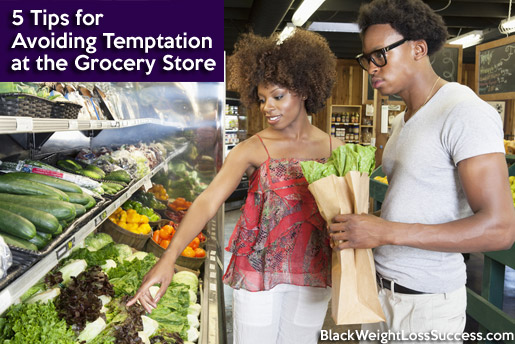 If you don’t want to fall off your new healthy eating regime you have to be prepared to fight temptation while grocery shopping. It is easy to lose focus and start perusing the aisles aimlessly. Before you know it, you get home and while you’re putting your food away realize you bought junk food that you shouldn’t have or spent much more money than you had budgeted.


 One of the most beneficial things you can do for your overall well-being and health is to eat locally grown foods, especially those that are organic, as much as possible. There are many reasons why it is a good idea to eat organic foods from your local farmer’s market or foods that are sourced locally by grocery stores. Even non-organic local produce has benefits. Here are just a few benefits to consider.