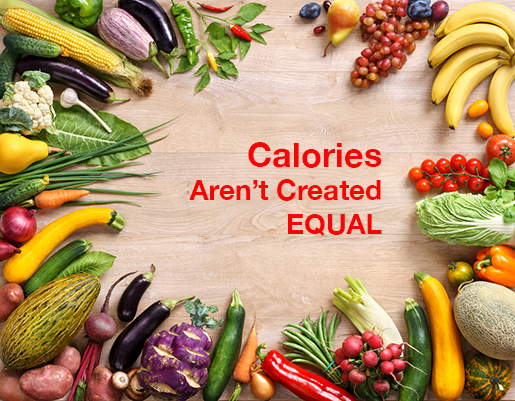
It’s about food quality, as well as quantity. Say goodbye to the old model of weight loss relying solely on calorie calculations and restriction. Be excited by some new news, you can “have your cake and eat it…” and lose weight too! Maintain and open mind and get ready for some surprises as we reveal that you can eat cake and lose weight!
Burning Calories
The current model for measuring energy, the calorie, is very outdated. Developed in the 1800’s a calorimeter is no more than a chamber for burning things in. Foods, and other energy rich substances such as fuel, are incinerated to see how much heat they give off. The amount of heat is measured in calories. The last time I checked, my digestive system is not a furnace, nowhere near! Yet, for over 100 years we have relied on the same old model – and where has it got us?
Using calories is an inaccurate way of calculating the full impact of food on your body – your beautiful biological being is not an oven! 400 calories of refined sugar laden sweets is very different to 400 calories of avocado! Sadly, the calorie model doesn’t take into account usefulness of the foods we eat, toxicity of the food or other negative impacts on the body. Specifically when losing weight it is our hormones which require the closest attention.
Some hormones, such as insulin, drive us to put on weight. Other hormones, such as glucagon, help the body to burn fat and lose weight. Our body can either use carbohydrates as fuel OR fats, but (this is really important….) it cannot use both at the same time!
So if you are eating carbs (especially refined carbs like sweets/cakes/bread/white pasta) your body will likely be producing lots of insulin and you will go into fat STORING mode to deal with excess blood sugar. If you are eating protein and fats (plus some low carb fruits and vegetables) you will be in more of a fat BURNING mode. It is one or the other, burning OR storing, not both. Makes sense really, think of it like a suitcase, are you packing or unpacking?
(Note: I’m talking about a normal metabolism. If you don’t have a normal metabolism due to things like type 1 diabetes, hormone imbalances, insulin resistance or metabolic syndrome… that’s another story. Always talk to your doctor about your unique case)
We need a new model!
So, you can see the old model of calories really doesn’t fully support us (highlighted by the epidemic levels of obesity) and sadly the standard US food pyramid is no better (and mainly due to food industry lobbying it’s woefully inadequate) as a guide for what we should be eating.*
New models for measuring food healthfulness based on the biological responses of our body are needed to help dieters and healthy eaters make the best choices. One such solution is the new SANE approach which looks at the impact of foods from a hormonal and satiety perspective. Advertised as ‘Dieting 2.0’ this model is certainly an improvement on the current calorie counting method but it still relies on us learning a lot about specific foods. What is needed is some simple guidelines we can easily understand and adopt!
Emotionally Satisfying Food
We eat food to nourish ourselves but also for many other reasons, including emotional comfort and social cohesion. If you are feeling bored and uninspired by your food it is more likely that you will rebel against your healthy wishes and end up cheating with something more exciting – a bit like an affair!
The trick is to make your food taste amazing and healthy – let’s call it healthy decadent! Fortunately this is easily done, with a bit of creativity, visual appeal, combing tastes and textures and adding healthy fats. Here are 3 quick tips to REALLY enjoy your food and meet your emotional needs along with your nutritional ones!
1. Find out what you like
This may sound obvious but many people do not take the time to experiment with foods to find out what is personally satisfying. Do you like hot and spicy, crunchy, saucy or something else? Do you like just one type of food at once or lots of things to try? The internet is so full of recipes to consider that you will for sure find the foods that are healthy AND satisfying. Try using the word ‘healthy’ along with your favorite recipes in a google search and see what you can find. Many successful dieters have taken the time to experiment with food substitutions to create healthy alternatives that still hit the spot and they have kindly put them online for you to try too! What would tickle your taste buds?
2. Make it look amazing
Cooking with love and creating visual appeal is important; a plate which looks like it was slopped out by a sub-standard high school canteen will not send the right messages to your mind or belly. You are important – communicate this to yourself through the food you prepare. Arranging things nicely on a plate, adding a single flower for decoration, preparing a variety of dips, taking time to eat sat at the table, lighting a candle – these are all relatively simple things you can do which just take a couple of minutes and will reinforce the idea that you are worth honoring and taking the time over. How will you pimp up your plate?
3. Add healthy fats
Yet another lie spread by the food (and diet) industry is that fat is bad. This is not true: some fats are bad – mainly processed oils, margarines and intensively farmed animal fats. But there is one extra safe, and very delicious, fat. Coconut oil is an amazing addition to your diet – it protects the brain, prevents neurodegenerative disease, encourages weight loss and even helps to improve your mood and mental function.** It is typically solid at room temperature but melts really easily; it is good for cooking and adding to sauces and many other dishes.
When you add fat back you increase the flavor via, recently discovered, special receptors on the tongue. Healthy fats like those in coconut, avocado and unheated virgin olive oil are biologically and evolutionary beneficial, this is why our body and brain responds positively to them. Unfortunately Mother Nature didn’t know the food industry would get their hands on this concept and create processed fanken-fats which cause us physical and emotional damage.
Low Carbohydrate – Less Insulin
Low Carb eating isn’t for everyone, but it works for many people. Foods which are low in carbohydrates do not stimulate insulin the way high carb foods do. When there is no insulin in your blood your body can switch to fat burning mode – this is why the Atkins diet is so successful. If you want to lose weight and burn fat you need to reduce sweet and starchy foods (including artificial sweeteners if you want to cut out chemicals and toxins. Stevia is an option if it’s not over processed) and limit the higher-sugar fruits and vegetables. Instead opt for greener vegetables and less sweet fruits – like cranberries, blueberries, raspberries, watermelon and some varieties of apples and melon. Swap your potatoes for sweet potatoes and cut out pasta and bread.
When you do eat carbohydrates combine them with fats and proteins to slow digestion and reduce peaks in insulin production. You do not need carbs with every meal, eat what you find satisfying not what you think you should eat. Make your choices based on what feels right to you. How do you feel after a light lunch of a protein filled salad then a fruity and nutty snack later compared to a single meal of a heavy bowl of pasta?
Cheeky Chocolate Saucy Salad
Try this as an example, cook a handful of dates in a little hot water (a little more than half a cup) and stir until they ‘melt’. Add two to three couple of heaped teaspoons of coconut oil, add roughly half a cup of raw cacao powder…. In just a few minutes you have made a delicious, healthy, guilt free “dark chocolate” sauce! Tastes amazing, especially smothered over a less exciting fruit salad, and you know it is all fresh and good-for-you ingredients. (Here is a similar recipe with more details) The fiber in the dates plus the coconut fat slow down digestion reducing insulin levels too. Put some cut up fruit in a lovely bowl, drizzle on the sauce add a flower or mint leaf for decoration. Then sit somewhere special and enjoy this decadent healthy treat.
Ready for your cake?
Chocolate sauce isn’t the only healthy trick you can play on yourself. Raw cakes are just as delicious as the baked varieties but rely on careful combinations of fresh fruit, nuts and healthy fats to craft delicious and satisfying treats. Also guilt free these cakes really can help weight loss as they provide an alternative to the shop bought sugar-filled processed options and instead fill you with healthful ingredients. They do contain carbohydrate and should be eaten, and enjoyed in moderation but for days when you feel like giving in, try an emergency raw cake instead! Dieting doesn’t have to be painful, with some careful research, experimentation and planning you can adopt healthy eating patterns which are satisfying on all levels.
- rawfoodrecipes.com/course/dessert/
- www.onegreenplanet.org/vegan-food/no-bake-raw-vegan-cakes-that-are-perfect-for-summer/
References:
*
http://articles.mercola.com/sites/articles/archive/2014/06/18/usda-nutritional-guidelines.aspx
http://www.dailykos.com/story/2011/1/29/934261/-
http://healthwyze.org/reports/164-the-perversion-of-the-food-pyramid
http://www.realfitnessblog.com/2008/11/07/the-food-pyramid-conspiracy/
http://www.ncbi.nlm.nih.gov/pubmed/8375951
**
http://www.ncbi.nlm.nih.gov/pmc/articles/PMC4247320/
https://authoritynutrition.com/top-10-evidence-based-health-benefits-of-coconut-oil/

 The ketogenic diet, better known as the “keto” diet, is a diet that was originally developed to help people with difficult to control epilepsy (specifically, children with epilepsy). It is a high-fat, moderate protein, low carbohydrate diet. Here’s why it has been recommended for epilepsy: Carbohydrates are important for brain function, usually in the form of glucose. If there are very few carbohydrates in the diet, the liver is forced to do something different to make up for it. The liver converts the fat into fatty acids and a substance known as ketone. Ketone bodies replace the glucose, and are used in the brain instead. Apparently, this state of elevated ketone levels (known as ketosis), actually helps to reduce how often seizures occur in epileptics (not a cure all but it has worked for some people).
 Losing weight is a huge undertaking and it can be really intimidating to go through on your own. There are lots of things that you may feel like you need to learn in order to reach your goals in a reasonable amount of time. If you are trying to lose weight, I suggest that you get some advice from a source that you may not expect – bodybuilders. There are a number of things that we can learn about health, fitness, and weight loss from our bodybuilding friends, but we’re going to focus on six of them in this article.
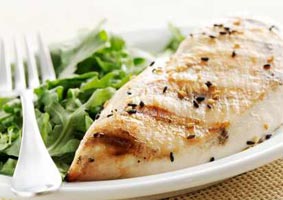 Low-carb diets arrived on the scene in the early 1970s with the introduction of the Atkins diet. While time has shown that this restrictive eating style poses numerous health risks and only a few benefits, newer versions of the low-carb diet – less restrictive ones – are still extremely popular among those hoping to shed a few pounds. Many of the newer, more balanced plans are more healthy than the original Atkins plan. Diets such as the Zone and the South Beach diet are some of the more popular ones.
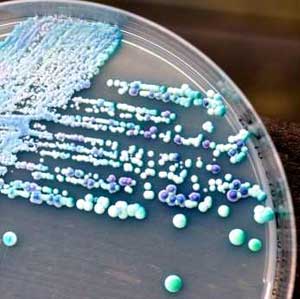 Candida, the medical term for yeast overgrowth, can occur anywhere on the body – both internally and externally. Rather than something you catch, Candida (yeast) is present in the body at all times. In fact, it plays a vital role in bodily functions, aids in digestion and keeps certain types of bacteria from overpopulating. Most of the time, yeast causes very little problems – you don’t even know it’s there. However, when yeast multiplies, you will know it.
 If you have intense cravings during your period, you’re not just giving yourself an excuse to nibble on forbidden foods. There are scientific reasons that explain why your body craves certain foods during your menstrual cycle. During this time, your brain experiences a decrease in serotonin, a brain chemical that’s responsible for a whole host of things including your mood. Your brain, unable to operate as efficiently with a smaller amount of serotonin, sends signals – cravings – for foods that boost serotonin levels. Such foods include sweets, chips, muffins and other comfort foods.
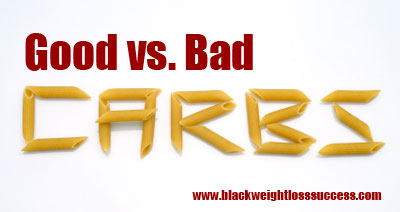 Simple carbohydrates are exactly that, simple. They are all single and double-chained sugars known as monosaccharide and disaccharides. They do not contain many nutrients or vitamins, and the body needs little energy to convert them into glucose. The glucose will reach the bloodstream quickly, causing a rapid spike in sugar. A person will have a sudden burst of energy, but then just as quickly feet fatigue and sluggish, once the sugar drops. These bad carbs pack an abundance of sugar and calories into the diet, without any real nutritional value. After consuming simple carbohydrates, an individual will feel hungry again soon after eating them. These simple carbs are causing an concerning increase of sugar into an individual’s diet, which can contribute to health issues and put them at risk for diabetes.