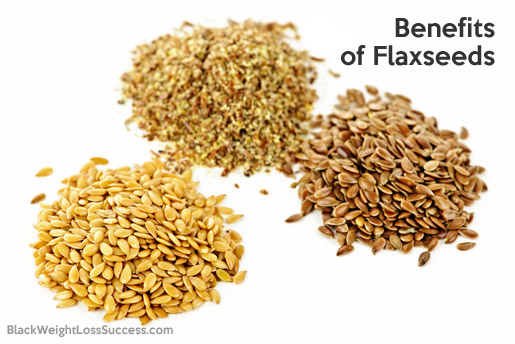
 Flaxseed, also known as linseed, is a plant grown for food and fiber. You can often find them in the bulk section of your local supermarkets, in health food stores or online. Flaxseed generally comes in whole and ground versions as well as brown or yellow (golden). Be warned that whole flaxseeds will pass through your body undigested so in order to gain the most benefit you will need to buy them ground (flax meal) or grind them yourself. You can grind them up in a Nutribullet or coffee grinder for example. You can also get benefits from flaxseed oil, but in the article we focus on the seeds.
There are a lot of reasons to add flaxseeds to your meals and smoothies but here are some of the main benefits.
- Flaxseeds Help Reduce Hypertension
Hypertension, also referred to as high blood pressure, is a serious health concern for men and women like. Hypertension leads to narrowed blood vessels which increases the risk of heart disease, kidney disease, Cushing’s, hyperthyroidism and adrenal gland disorders. This study published by the Natural Medicine Journal showed that flaxseeds caused the “largest decrease in blood pressure every shown by any dietary intervention”.
- Flaxseeds Can Help Disrupt Cancer Cell Growth
Flaxseed is thought to prevent cancer risk by disrupting or stopping cancer cell growth. So far, studies have shown that breast, prostate and colon cancer are the only ones that seem to be affected by flax. Studies on animals showed that flaxseed also prevented overall tumor growth but this has yet to be tested on humans. At the moment it is believed that the plant’s omega-3 fatty acid or ALA is what is largely responsible for disrupting cancer growth.
- Flaxseeds Reduce Postmenopausal Hot Flashes
Women who experience hot flashes from menopause could find significant relief by adding a minimum of 2 tablespoons of ground flax to their diet every day. Some women have seen close to a 60% drop in the severity of their hot flashes as well a 50% cut in the number of hot flashes they experience. Consult your doctor before adding flaxseed to your diet as a method for hot flash control. Do your research.
- Flaxseeds Improve Metabolic Syndrome and Imbalances
Flaxseeds can also be added to the diet to help improve metabolic syndrome. Not many studies on metabolic syndrome and flaxseeds have been done on humans but there is evidence that the seed’s positive effect on the cardiovascular system will also help with Metabolic Syndrome. This website references a study that did show a 20% decrease in metabolic syndrome symptoms after study participants added 30 grams of ground flax to bread per day. The study also concluded that despite an additional 30 grams of flax being added to the diet, there was no weigh gain related to eating flax.
- Flaxseeds Help in Preventing Depression
Another benefit of consuming ground flaxseeds on a regular basis is that it has proven to be beneficial for treating depression. The 2 major components in flaxseed that are so therapeutic are omega-3 polyunsaturated fatty acids and alpha linolenic acids (ALAs). These fatty acids and ALAs may help to treat neurological and psychiatric problems including, but not limited to, depression. You can read more about flaxseeds effect on depression here.
Even if you don’t have depression, flaxseeds should still be added to maintain overall wellbeing and to combat the effect of stress on the body. It would also be a great preventative measure to add flax to your diet, along with vitamin D, in the winter months when you don’t get much sunlight and are apt to develop Season Affect Disorder or S.A.D.
Ground flaxseed is popular for breakfast foods and can be used to replace other seeds like sesame. Grind up flaxseeds and add a couple tablespoons to top off your yogurt, fruit salad, cereal or muffin. You can add ground flax to many smoothies or meals, as it doesn’t have an overpowering taste and may be used in sweet or savory meals.
Considering all this, having 2 tablespoons of ground flaxseeds per day could cause a significant health boost. There are no guarantees, but try adding it to your diet for a few weeks and see how you feel. If you believe that you may be lacking in nutrients or have a health condition, consult your doctor before adding flaxseeds. This is especially important for women who are pregnant or breastfeeding when it comes to any dietary changes. Check out this website for some ideas on using flaxseeds in recipes.
 Spare tire, love handles, muffin top, pot belly- these are just a few of the funny names given to abdominal fat.
  Eating nutritiously has long been a mainstay of remaining in optimal health. This is something we all know. However, as schedules have gotten busier, women have found that eating healthy is not always the timeliest option. After all, between professional responsibilities, hobbies, significant others, children and myriad extra-curricular activities – all that is to be done in a day can easily fill up 24 hours and then some. This means eating healthy may be at the bottom of the to-do list. Breakfast becomes a cup of coffee, lunch is had from the nearest drive-through and dinner is delivered or picked up on the way home. The good news: there are some healthier options other than take out and convenience food for women on the go who may be pressed for time when it comes to meals. Consider these healthy eating tips:
 Adding exercise to a healthy eating regimen enhances your efforts and ensures results. However, the chief complaint for many busy women is a lack of time to get to the gym or even take an evening walk. The good news is that exercise does not have to be done in a gym and it doesn’t have to take hours. Cumulative efforts to exercise over the course of a day can still pay off big on the scale. Ten minutes here, ten minutes there and before you know it, you’ve squeezed in a full workout into your day. Consider a few tips to sneak exercise into your day:





 Tonight, I did a super simple, low carb, 2 day meal prep today for my hubby that you can use of dinner or lunch. 525 calorie per serving. For this prep, I used…



 Sure, we all want to be healthy and fit, but the desire is not the difficult part. It’s keeping the motivation to actually do so that can be very hard! Most of us want to live healthier and more active lives, so we tend to set goals in these areas, but oftentimes we lose motivation or simply give up and don’t reach those goals. Life may get busy, we may get sick or frustrated, or laziness sets in and we decide that achieving our fitness goals is too much of a hassle. It sounds easy enough in theory and in the beginning, but the practical application is not always so easy.
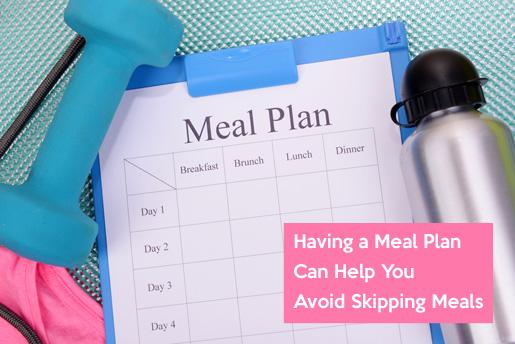 It’s safe to say that you’ve probably skipped meals either accidentally or on purpose. You may believe that skipping calories will simply help your weight loss efforts. Unfortunately, skipping meals doesn’t just leave you hungry but could actually increase weight gain! Not only is weight gain the opposite of what you are trying to achieve, but there are other side effects of missing meals that you should know about. Here are 6 things that could happen to your body when you decide to skip a meal.