 Ask top doctors and nutritionists what epidemics are facing the modern Western world is and you may be surprised that one cause it is right in our food. Sugar addiction is rampant in many Western countries, but it is especially problematic in the United States. Take a walk down any aisle in a grocery store, pick up a processed food package and read the label. One, two, sometimes three or more types of added sugar can be found.
Why is this? America has been on a warpath against fat for so long (Since the 1950s and the McGovern Report), promoting it as dangerous and unhealthy, that food manufacturers have reduced fat in their products. However, removing the fat affects the taste and they have to replace it with something. The replacement: sugar and artificial sweeteners. The win for food producers is that being able to slap a “fat free” or “low calorie” label on foods may make them more attractive to consumers. With an epidemic of obesity, diabetes and other health problems in this country, you can see how this could be even more lucrative, but perhaps not a helpful as it may seem.
The consumption of too much sugar can be damaging to the body and some researchers now feel that there is evidence that it is a toxin or poison based on the reaction the human body. Sugar’s affect on the liver and the pancreas’s production of insulin is a serious area of concern. There are a lot of theories and information out there that is causing people to consider how much sugar they are eating.
The movie “Fed Up” does one of the best jobs of explaining how sugar consumption has transformed the health of Americans in a negative way, especially children. It’s available on Netflix.
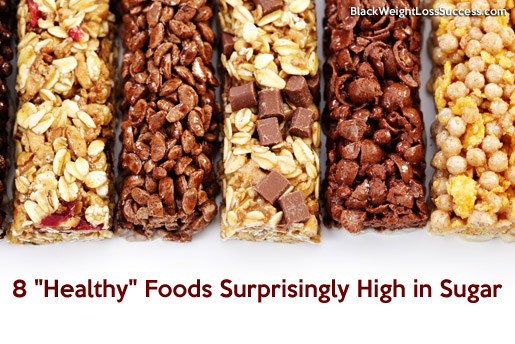
Avoiding sugar is hard and to make matters more difficult, many foods that are often thought of as healthy have added sugars, sometimes in shocking amounts. Tip: Always check the nutrition label and familiarize yourself with the various names for sugar. Whether you are on a weight loss journey or in a state of prime health, watch out for these 8 sugar-filled foods that may be marketed as “healthy”.
- Whole Grain Cereals
Sugary cereals filled with bright colors and small marshmallows aren’t the only type you see on store shelves. There are a large number of cereals directed at adults that are high in fiber, vitamins and minerals that are also strongly marketed as whole grain. The term whole grain has seemingly come to mean “automatically healthy”, which isn’t the case. While whole grain may a superior ingredient, check the labels.
- Store Bought Smoothies
Store bought smoothies can be found in traditional health food stores and smoothie shops, as well as the produce and freezer sections of big box stores. These beverages look tasty, are often vibrantly colored with their labels proclaiming the drinks number of fruit and vegetable servings in each cup. Take a moment to think about why some of these popular smoothies and smoothie-like beverages are so delicious. To make up for bitterness and general lack of flavor, some of these brands go to sugar. Others may go with a sugar alternative which could be just as bad for you if you have a sugar sensitivity or blood sugar issues. If you want a smoothie, making it at home where you can control the ingredients is the best choice.
- Peanut Butter
This tasty legume spread that is particularly popular with children is often recommended to adults as a healthy snack. High quality peanut butter is a great source of healthy calories, fat and protein but many sub-par brands may have more sugar than you realize. The average peanut butter contains roughly 3 grams of sugar in just 2 tablespoons. Pick the healthiest choice and don’t assume.
- Sports Beverages
Sports beverages are often marketed as being a must have for anyone who takes their fitness seriously. Commercials show top athletes rehydrating with these beverages, which makes it easy for the average person to believe they need to guzzle one down after a workout. Think twice before doing this as one very popular sports drink, Gatorade, has a whopping 14 grams of sugar in just one 8oz cup. That is over half of the daily recommended maximum sugar intake of 25 grams.
- Flavored Oatmeal
Flavored oatmeal, especially the kind you can get in packets, is another breakfast option often considered to be healthy. While these types of oatmeal are convenient and yummy, they are often much higher in sugar than you may think. Sugar content varies greatly based on brand to check your box or packet carefully. There are also low calories versions of instant oatmeal and brands that use artificial sweeteners. If you are a big fan of oatmeal just buy plain oatmeal and doctor it up at home with fresh ingredients like fruit, heavy cream, low sugar granola or a tiny bit of some organic pure maple syrup.
- Yogurt
Yogurt can be a healthy snack choice as some brands use high quality ingredients, delivering their consumers with a tasty product that is rich in probiotics. Unfortunately, some yogurt brands rely heavily on sugar and other sweeteners. It is safe to say that any yogurt that has some fruit filling or fancy flavoring probably has added sweetener. Keep an eye on the nutrition label to get the healthiest choice with the lowest sugar possible and the most natural ingredients. The best route would be to skip on these fruity yogurts and buy plain or unflavored yogurt. You can even find vanilla yogurt that is low in sugar. That way you can make your own flavors and be in complete control of how much sugar is in it. You can also add things like fiber and protein powder to make it an even better snack.
- Energy Bars
Energy bars fall into a similar category as sports drinks in terms of who they are marketed towards. They are delicious and some of the more expensive, high quality brands use really awesome organic ingredients. Nonetheless, these bars can have added sugars of some type to give the consumer more flavor and energy. Just as an example, Clif bars are very popular and one of the better energy/snack bars out there. Though they use some great ingredients, their chocolate chip bar contains 23 grams of sugar.
- Salad Dressings
Last but not least of the sugar offenders are salad dressings. This seems like an odd food to be on this type of list but salad dressings can be quite high in sugar, salt and fat. Sweet salad dressings are usually the worst out there and should be avoided or used in moderation. Wishbone’s popular Sweet and Spicy French Dressing has 7 grams of sugar in just 2 tablespoons. Savory and creamy dressing that don’t taste sweet could also have more sugar than you would expect. Try making your own dressings at home from one of the many recipes online. It’s easy, healthier and often will have better taste than store bought salad dressing.
Always take the time to read nutritional facts on labels or online to see what you are putting in your body. Make a concerted effort to eat more whole foods and cook meals at home as much as possible for more control over your daily meals. It can be difficult to reduce sugar intake or cut it out of your diet, but your body and your mind will thank you in the long run.
More info on the effects of sugar consumption
 This is the first recipe of many as we commit to bring you more recipes this year. Personally, I love simple recipes that don’t make you jump through hoops and this one is very straight forward. It will work for folks who are eating clean, eating Paleo, eating low carb, etc. You’ll find all the ingredients and directions below.

 Dairy of all types, like milk, cheese and frozen dairy treats, can cause bloat in varying degrees. The reason for this is the same reason that some people experience lactose intolerance. Milk sugar, known as lactose and found in dairy products, can cause digestive upset for some people. While one person may be able to drink/eat dairy throughout the day without a worry while others may get bloated and feel sick if they have a small bowl of ice cream.
 There is a lot of debate over what the optimum human diet is, especially when it comes to weight loss. I am of the belief that there is no perfect plan, no one size fits all plan for losing weight. However, I do think that fad diets promising to help you lose X number of pounds in a week or two should be avoided like the plague.
 A healthy diet doesn’t just consist of the standard variety of vegetables, grains, beans, fruit and lean meats. One of the most important aspects of eating well is to eat a variety of food! Humans are naturally creatures of habit and it can be easy to fall into a routine of eating the same foods. Break this habit and you will notice better health and improved vitality. It may even help you push through a weight loss plateau you’ve hit.
 The average person is likely familiar with seaweed in two ways: the green stuff in the ocean and the nori sheets used for sushi. Seaweed may not be very popular in traditional Western cuisine but it would be very much worth it to pick up a bag at your local Asian market or health food store. Some major grocery stores also sell the dried, roasted kind as a snack in sheets. Very tasty…kinda like potato chips.

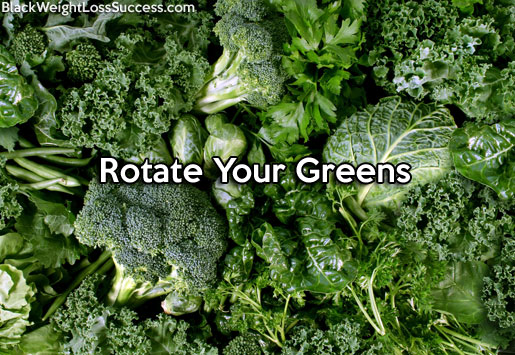 Eating the same vegetables is certainly better than eating no vegetables. However, a lack of variety in the greens you consume doesn’t just lead to boredom but can also have negative health effects for some people.