 What do people like to drink when they are trying to lose weight? Diet Soda and Diet drinks with fake sugars like aspartame. The problem is that there may be potential negative affects of diet sweeteners. Here are 8 reasons you should consider whether these artificial sweeteners could be bad for you.
- A recent University of Iowa study of almost 60,000 women found that diet drinks could be associated with heart trouble for older women. “Drinking two or more diet drinks a day may increase the risk of heart disease, including heart attack and stroke, in otherwise healthy postmenopausal women, according to a new University of Iowa study.”
- Symptoms attributed to aspartame in complaints submitted to the FDA by the Department of Health and Human Services (April 20, 1995) include headache, dizziness, change in mood, nausea, abdominal pain and change in vision.
- “In her widely publicized work, published as an opinion article in the journal Trends in Endocrinology and Metabolism, [Susan] Swithers (Purdue University professor) reviewed recent studies on artificial sweeteners and concluded that people who frequently consume sugar substitutes “may … be at increased risk of excessive weight gain, metabolic syndrome, type 2 diabetes, and cardiovascular disease.” – Source
- “Recent studies show that these chemically modified sweeteners can damage the way your body naturally processes sugar, making you much more susceptible to overeating. Because of the increasing public health warnings, food companies are now using obscure names to hide these artificial sweeteners in their products.” – doctoroz.com (Check out this list of sweeteners)
- Saccharin was evaluated and banned by the FDA in 1908, but the ban was later reversed. “In the 1970s, tests done on lab rats found that those administered saccharin had higher rates of bladder cancer than those who were not. Saccharin was proposed to be made unavailable to American consumers, but ended up being labeled for consumers as potentially dangerous and for causing cancer in lab rats. Despite this knowledge of cancer occurrences, in 2000, the FDA repealed the warning label requirement for saccharin and in 2001 the FDA reversed their decision on saccharin, declaring it safe for consumption. Finally, in 2010, this substance was removed from the EPA’s list of hazardous materials.” – Source
- I personally know at least 2 people who are violently allergic to Splenda. Splenda is also known as Sucralose. “Sucralose, like many artificial sugars, passes through the gastrointestinal tract intact, so that very few calories, if any, are absorbed. Eating excessive amounts of sucralose may cause diarrhea, bloating and gas. Gastrointestinal symptoms might occur because of reactions between bacteria in the intestines and components of sucralose that together produce nitrogen gas. Symptoms may occur because the undigested sucralose draws water into the intestine, producing diarrhea, according to health educators at Columbia University’s Go Ask Alice website.” – Source
- “As far as short-term effects, sugar alcohols — technically not considered artificial — can cause bloating and diarrhea in some people and the effect may occur with as little as 50 grams of sugar alcohol. These sweeteners include sorbitol. Lactitol and mannitol are lower in calories than sugar, don’t promote tooth decay, or cause an increase in blood sugars, according to the FDA.” – WebMD
- “Studies show that although diet soda has no caloric value, it may have an impact on insulin similar to sugar ingestion. This is most likely due to the cephalic phase insulin response in the brain. When you taste the sweet in diet soda, your body perceives it as sugar and causes the pancreas to release insulin just as it would if you were consuming actual sugar.” – kimberlysnyder.net
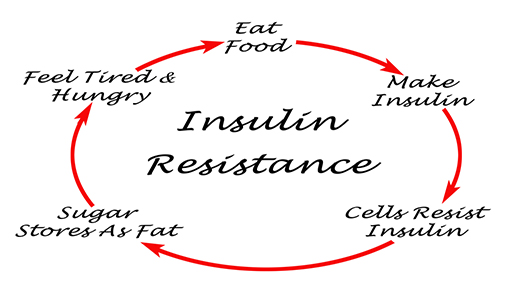 Insulin resistance happens when your body stops being able to properly use the insulin hormone that is manufactured by the body. It is a condition that can affect many systems of your body, as insulin is used for more than just managing glucose levels (key to blood sugar). Insulin plays a role in how well your metabolism works to process carbohydrates, fats and other nutrients like protein. When you develop insulin resistance, your body’s ability to manage energy and to properly process nutrients is seriously impaired.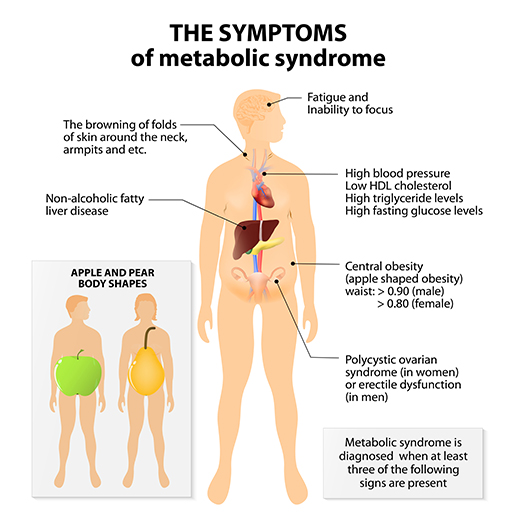
 The ketogenic diet, better known as the “keto” diet, is a diet that was originally developed to help people with difficult to control epilepsy (specifically, children with epilepsy). It is a high-fat, moderate protein, low carbohydrate diet. Here’s why it has been recommended for epilepsy: Carbohydrates are important for brain function, usually in the form of glucose. If there are very few carbohydrates in the diet, the liver is forced to do something different to make up for it. The liver converts the fat into fatty acids and a substance known as ketone. Ketone bodies replace the glucose, and are used in the brain instead. Apparently, this state of elevated ketone levels (known as ketosis), actually helps to reduce how often seizures occur in epileptics (not a cure all but it has worked for some people).
 There are things concerning your health that you have to consider if you are a diabetic who is trying to lose weight. There are a lot of complications that can occur if you have diabetes and you don’t follow the medical protocols you’ve been given, whether type 1 or type 2 (type 1 often has more dietary complications, but you do have to keep an eye on these for type 2 as well). Changing your eating habits and exercising can have a negative or positive impact on your health so it’s important that you discuss what you are doing to lose weight with a medical professional so that you don’t put yourself at risk. Here are a few things you should consider:
 Many people don’t realize that belly fat, also known as visceral fat, is actually different than the rest of your body. The belly fat has been linked to risk for a number of different types of things, from insulin issues, metabolism issues, heart disease, increased cancer risk, and increased type 2 diabetes risk. Even if you’re not overweight, the fat that is in your abdomen can cause a lot of issues.

 Most of us know the Chia seeds from the holiday commercials about Chia pets, or maybe you have experimented with the Chia herb gardens. What more and more people are starting to realize is that the Chia seed can bring an enormous benefit to their lives as a part of their diet. Over the past 30 years, anecdotal evidence has shown how the effects of consumption can help with a wide range of ailments from high blood pressure to diabetes and be an important part of maintaining a healthy weight. Scientists are beginning to examine these little seeds much more closely.