It’s safe to say that nearly everyone, any adult at least, has skipped a meal or even consecutive meals for whatever reason. Perhaps from being too busy, too sick or even trying to lose weight by not eating. There is also the issue of thousands of Americans going hungry…but that is another subject (tragic). Whatever the reason, skipping a meal here or there might be harmless but skipping multiple meals for consecutive days can have detrimental effects to your long-term health. If you are blessed to have healthy food, consider it a privilege and treat your body right.
How Your Body Responds to Skipping Meals or Unintentional Fasting
When you skip meals or just stop eating regular meals your body ultimately realizes that it doesn’t have enough fuel to function at its peak. That’s when certain things begin to happen. First off, your body will realize there is not enough food coming in and will go into what is a called a “fasting mode”.
This fasting mode isn’t necessarily dangerous. In fact, studies are showing that intermittent fasting can be beneficial but more on that later. Remaining in a prolonged fasting mode (skipping multiple meals over the course of weeks and months) causes your body to begin using 3 main sources for energy: fat, carbs and protein. Now, burning fat sounds good. If you are looking to lose weight then this isn’t a downside. Burning carbs can also be beneficial depending on your lifestyle. Burning protein is a problem since this is muscle.
Once your body is sustained in a fasting mode 3 main things will then happen:
- Blood glucose levels drop
- Glycogen storage is used up
- Body begins metabolizing fat
This fasting mode can also be known as ketosis. Eventually the fasting mode will go into starvation mode. Starvation mode is absolutely dangerous. Not only is your body malnourished from nutrients but if you don’t eat for long periods of time starvation mode could cause organs and parts of your body to shut down in an effort to survive. Dropping blood sugar also affects insulin levels in ways that can also be bad for your health.
Side Effects of Meal Skipping
Some side-effects of skipping meals include:
- Dizziness and lock of balance
- Fatigue and lethargy
- Feeling nauseous
- Stomach cramps and digestive issues
- Weight gain
- Weakness in body
- Interruption of a healthy menstrual cycle in women
- Mood swings and general irritability
- Lack of body temperature control
- Insomnia and restlessness
- Anxiety or depression
- Dehydration and water retention
- Increased clumsiness correlating to increase in injury
- Slowed reaction time
Potential Health Problems Associated with Meal Skipping
Prolonged health problems associated with meal skipping include:
- Lowered blood pressure causes dizziness, fainting, difficulty breathing and inability to concentrate
- Habitually binging that lead to permanent damage, excessive weight loss or even dangerous spikes in high blood sugar
- Increased chance of diabetes, heart disease, osteoporosis and more
- Lowered immune system increases your chances of getting illnesses you come into contact with
- Hypothyroidism is low thyroid which causes weight gain, depression, constipation and hair loss
- Anemia is a lack of iron which causes lethargy, chest pain, general weakness and rapid heartbeat
- Skeletal weakening makes it easier for bones to fracture and causes joint damage
- Dental problems are due to lack of calcium and nutrition, and can cause serious illness since mouth health is directly related to total body health
When Skipping Meals Can Be Beneficial
There are a few times when skipping meals for long periods of time isn’t dangerous for your body. First off, only very healthy individuals should practice intermittent fasting. There are books and research that reports that purposely and safely putting your body in fasting mode every now and then can help burn fat and keep your body working at its peak. This is a very in-depth and potentially controversial subject so it is recommended to research thoroughly before practicing fasting yourself. A good source to start would be this webpage and our article on the subject.
Skipping meals is so easy to do and the myth that not eating is effective for long term weight loss is misleading. It is certainly true that not eating food or starving yourself will cause you to lose weight but at what cost? Rather than permanently damaging your health and possibly shortening your life, forget meal skipping and instead focus on exercise and healthy eating as a foundation for weight release. Intermittent fasting can be beneficial but only if it is healthy for you. Fasting has been practiced for thousands of years as religious and spiritual practice, so it has many other benefits as well.
If you are a very busy person and often forget to eat, set alarms or reminders. Pack work or school lunches ahead of time so you have no excuse to not eat. If you do skip a meal or multiple meals, or perhaps have had a skipping habit already, ease back into proper nutrition as to avoid binge eating.

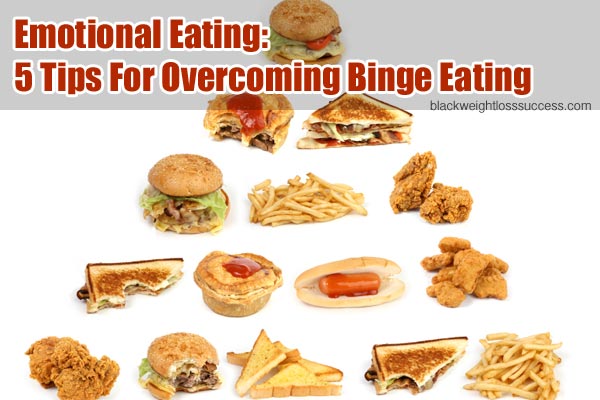 The temporary gratification from going on a binge has wreaked havoc on the healthy of millions of woman. Many binge eaters are so skilled, or unaware of the damage of their decisions, they can suffer in silence for years without ever receiving any professional assistance. Binge eating can be a form of
 Good Morning! I wanted to share my update with you. Since my story feature back in March I’m down 8 more pounds (I was 160 lbs then, down from 250 pounds). I now weight 152 lbs and I’m down to a size 8 . I have started a group page “I can, you can for weight loss”. This group page has allowed me to reach men and women encouraging them about getting their weight under control. This page is about daily prayer, daily motivation and encouragement. I continue to workout on my home I have incorporate weights lifting to tone my body. I have been working out during commercials breaks which has encouraged my whole family!! My goal is to reach people and encourage them that they too can achieved weight loss! I’m currently in process of starting Nonprofit Organization to reach men and women around the world. Thank you for this opportunity to share.




 I began my weight loss journey at 401 pounds in 2012 and I am currently at 230 pounds. My transformation is still in progress as I would like to be out of the 200’s. My goal is 170 pounds and I won’t stop until I reach it.
 It is never too late to make changes that can improve the health of your heart. The simplest changes to begin with concern your diet. It is usually recommended that you begin by changing one area of your eating habits at a time, rather than go for a radical overhaul. This lets your body and mind adjust to the changes easier and increases your ability to stick your new lifestyle. Here are 7 tips for a heart healthy diet. If you utilize a tip each week, in less than two months you can be in the habit of eating in a way that cares for your heart.
 Yo-Yo dieting is expensive. Buying into weight loss plans over and over again is expensive. Gym memberships and personal trainers cost money. Buying pills and supplements for fad diets is expensive. Time is money, and you will spend a lot of it on your weight loss efforts in terms of workouts, preparing meals, etc. Knowing all of this, means that it is important to commit to your weight loss goals and do the work so that all of your effort doesn’t go to waste.