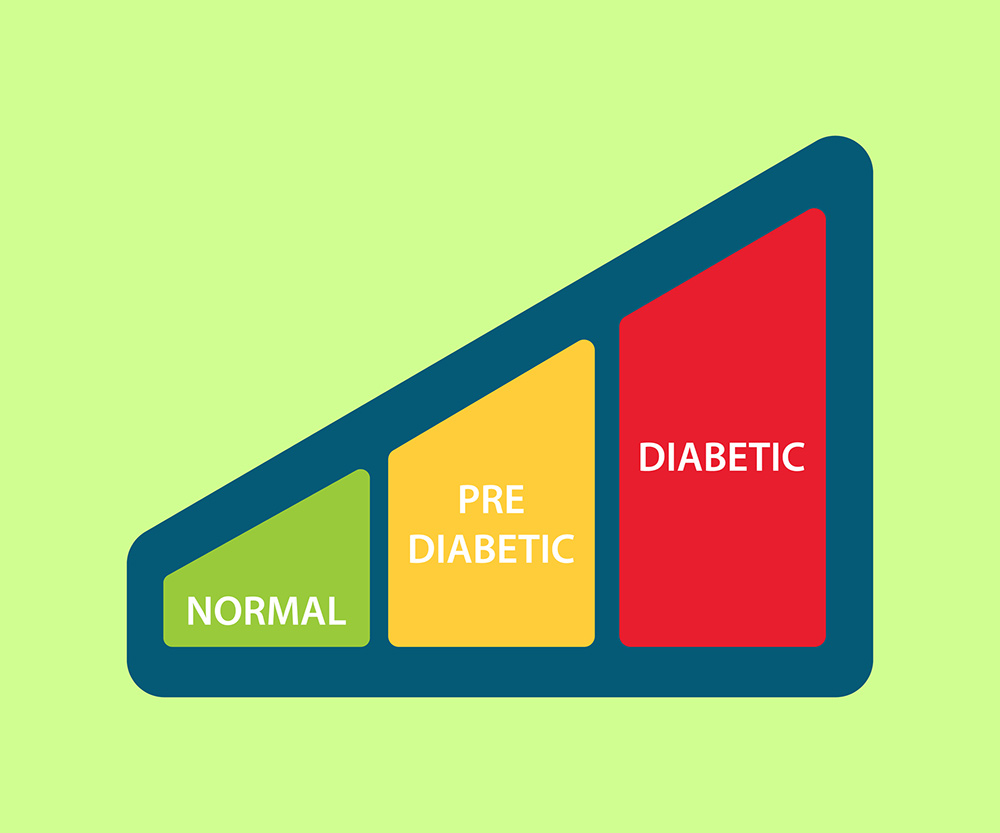
What is Pre-diabetes?
For many people, being told they are pre-diabetic can be hard to understand. Pre-diabetes is a condition that is hard to diagnose because there is no one set of criteria that works for everybody. Depending on several factors such as your past medical history, age, ethnicity, gender and family history, the symptoms you may be experiencing might be pre-diabetes, or they might indicate a different condition. It cannot be said often enough that if you suspect you have pre-diabetes, let your doctor know immediately. Early intervention can be the best way to avoid painful complications.
In the end, the goal of this diagnosis is to determine if some has the early signs of diabetes.
“Before people develop type 2 diabetes, they almost always have “prediabetes” — blood glucose levels that are higher than normal but not yet high enough to be diagnosed as diabetes. Doctors sometimes refer to prediabetes as impaired glucose tolerance (IGT) or impaired fasting glucose (IFG), depending on what test was used when it was detected. This condition puts you at a higher risk for developing type 2 diabetes and cardiovascular disease.” – diabetes.org
What are the symptoms of Diabetes?
The most common symptoms of diabetes are also indicators of pre-diabetes. Someone who is pre-diabetic may have some, or all, of the below symptoms but to greater or lesser extents then someone diagnosed with a specific type of diabetes. The most common symptoms are:
- Frequent Urination
- Constant thirst or feeling very thirsty even when drinking enough fluids
- Being hungry even when eating properly and regularly
- Extreme fatigue
- Blurry vision
- Cuts/bruises that are slow to heal
- Weight loss – even though you are eating more
- Tingling, pain, or numbness in the extremities
Not all of these symptoms mean that you are pre-diabetic or have diabetes, but if you experience any of them you should tell your doctor and get some blood work done if your doctor agrees that there is a chance.
What are the complications of Diabetes?
The complications of diabetes can be devastating, which is why early diagnosis of pre-diabetes is so important. The common grouping of complications can include vision and hearing loss, neuropathy, skin infections and hypertension. Depending on your ethnic group, these common complications may take on very serious possibilities. It is not uncommon for people with certain types of diabetes to become legally blind or develop skin ulcers that do not heal. Early diagnosis of pre-diabetes allows you to prevent the worst that could happen from becoming your reality.
If I have Pre-diabetes, will I get diabetes?
If you have been diagnosed with pre-diabetes, it does not mean that you will absolutely develop diabetes. The pre-diabetic condition exists in a grey area of how insulin and blood sugar works within the body and while it can be taken as a sign of caution, it is not guarantee you will become diabetic. If your doctor thinks your pre-diabetes can be addressed with lifestyle changes, you may be able to change your health.
What is the difference between Type 1 and Type 2 Diabetes?
The most common forms of diabetes are type 1 and type 2, with type 2 being more prevalent. Type 1 is often called “juvenile onset diabetes” and children experience pre-diabetes in their early pre-teens or teens that then develops into diabetes. With type 2, the pre-diabetes appears much later in life with most instances being diagnosed as diabetic when the person is in their 40s. With type 1, the body is failing to produce insulin or producing too much. With type 2 diabetes, the body is not using its insulin effectively. There are several other types of diabetes, such as type 1.5, but the next most common is gestational diabetes.
What is Gestational Diabetes?
It is estimated that 5 to 10-percent of women who become pregnant experience pre-diabetes that develops into gestational diabetes. The American Diabetes Association places the highest risk of development at the 24th week of pregnancy. Gestational diabetes generally disappears after delivery, but there is no set time frame and there is a question as to whether the onset makes a woman more prone to developing pre-diabetes risk for other types.
What should I do if I am concerned?
If you are concerned that you have pre-diabetes, talk to your doctor. If your blood sugar level is elevated, there are many things you can do to attempt to bring it under control including medication, diet, exercise and other lifestyle changes. Depending on your race, gender, age and family history you may be more prone to Type 1 diabetes and experiencing pre-diabetic symptoms can let your doctor get you on the right treatment fast. If your doctor is worried that your pre-diabetes is indicating a risk of Type 2 Diabetes, you can make the life style changes necessary to prevent your pre-diabetes from creating a diabetic condition. If you are pregnant, consult your doctor immediately. Gestational diabetes can cause serious complications for you and your unborn baby that can be avoided for many women.







 The biggest struggle is still patience. It’s been one year since I started on this journey and I am still not happy. Instead of realizing how much I’ve done, I still see cellulite and side rolls. My biggest victory is the number of people that have told me I’ve inspired them to change. It’s one thing to make positive changes in my own life, but when making yourself better inspires others to do better, that’s victorious.”



 I believe that Lupus is something we should ALL know about in the Black Community. Lupus occurs when the body’s immune system becomes hyperactive and begins to attack normal tissue as if it were an infection to be destroyed. While anyone can be diagnosed with lupus at any time, young black women are more than three times as likely as whites to develop the disease. To put that in perspective, this means that 1 in 250 black women between the ages of 15 and 44 are could develop a form of this painful disease. Fortunately, there have been great strides made in the treatment of lupus and while there is no cure, with proper medication you can live a satisfying and full life.
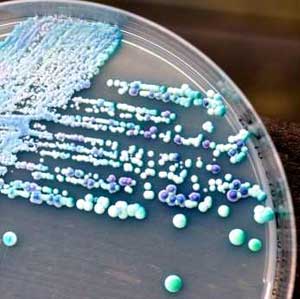 Candida, the medical term for yeast overgrowth, can occur anywhere on the body – both internally and externally. Rather than something you catch, Candida (yeast) is present in the body at all times. In fact, it plays a vital role in bodily functions, aids in digestion and keeps certain types of bacteria from overpopulating. Most of the time, yeast causes very little problems – you don’t even know it’s there. However, when yeast multiplies, you will know it.