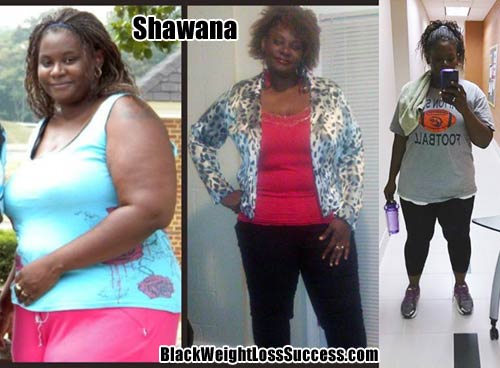
Today’s featured weight loss success story: Gwen lost 60 pounds in 7 months. She was inspired to get healthy by her daughter who lost 65 pounds. I love it when families lose weight together! Here is what she shared about her weight loss journey:
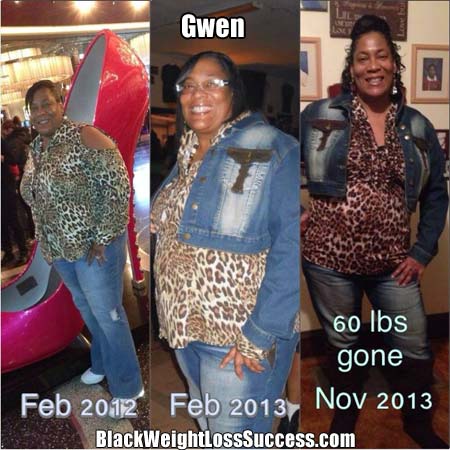
“Hi I’m Gwen, I just wanted to introduce myself and tell you my story. I was skinny growing up, until I had my daughter. I gained a lot of weight and over the years it has been a struggle. I quit smoking in Jan 1, 2012 and I gained weight since I stopped. March of this year, I got motivated to change my life and lose weight. I knew I had to change my eating habits and get busy exercising. I just really want to be healthy and live to see my grandkids when my daughter decides to have kids.
My new way of life is clean eating (fresh fruits and veggies, baked and grilled meats) and exercising 5-6 times a week. I also drink plenty of water, 100-120 oz a day. I like to switch up my exercise routines, so it varies from from gym to workout videos at home to water aerobics. Dr. Ian Smith’s book, Shred: The Revolutionary Diet, played a major part in my dieting and lifestyle change.
It’s been 7 months now, and it was hard, but I really like exercising and eating right. My advice to others is to get started and stick to it. If you mess up or have a cheat meal forget about it and start all over again. Never give up. My daughter also lost 65 lbs. She inspired me to get healthy.”

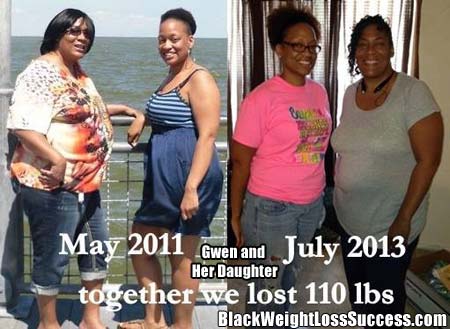

 . We see this weight loss journey as a movement to inspire other women who look just like us that they too can shed the unwanted weight.









 The ketogenic diet, better known as the “keto” diet, is a diet that was originally developed to help people with difficult to control epilepsy (specifically, children with epilepsy). It is a high-fat, moderate protein, low carbohydrate diet. Here’s why it has been recommended for epilepsy: Carbohydrates are important for brain function, usually in the form of glucose. If there are very few carbohydrates in the diet, the liver is forced to do something different to make up for it. The liver converts the fat into fatty acids and a substance known as ketone. Ketone bodies replace the glucose, and are used in the brain instead. Apparently, this state of elevated ketone levels (known as ketosis), actually helps to reduce how often seizures occur in epileptics (not a cure all but it has worked for some people).