Weight loss can be one of the most challenging endeavors for women, no matter what their age. However, there is something about surpassing the age of 40 that makes what would normally feel like a challenge seem downright impossible. There are a number of factors at play after 40 – a slower metabolism, busier daily schedules and less mobility and flexibility. While it might seem hard to achieve, the fact is that weight loss is possible at any age. It comes down to knowing what works best for your body and how hard you are willing to work to achieve your fitness goals. It’s also about having reasonable goals and keeping health issues in mind.
The first — and most important – thing to do when trying to lose weight at any age is to make an appointment for a physical. Rule out any potential medical issues that may be contributing to weight gain. For example, hypothyroidism is common issue for women over the age of 40 who find they cannot lose weight by traditional means. This condition slows the thyroid down significantly, creating dysfunction in the body that can result in weight gain and/or an inability to lose weight. Diabetes, high blood pressure, PCOS and high cholesterol are other weight/nutrition-related conditions that many people are diagnosed with by their 40s. A physical will rule out any health-related problems that may be causing weight gain or hindering your weight loss. You also want to ensure that there are no physical limitations of which you should be aware before embarking on an exercise program. If you have back, joint or knee issues, for example, you’ll want to discuss that with your doctor before starting a workout routine.
The next step is a overhauling your eating habits. Choose foods that promote good health and weight loss, period. Your body will reflect the affects of a terrible diet. This means less processed foods and more whole food options. After 40, it is also important to get plenty of fiber in your diet, which can be accomplished through the inclusion of fruit, vegetables and whole grain products, such as whole grain braid and steel cut oats. Foods high in fiber also digest slowly, which makes you feel fuller longer. Trade in your red meat for fish high in Omega-3 fatty acids. Add cinnamon to your Greek yogurt for a sweet treat can help the body to metabolize sugar and reduce blood sugar levels. Drink as much water as possible and when you think that you’ve had enough water each day – drink at least another glass. Not only does this help with the feeling of fullness to prevent overeating, but staying hydrated is key to optimal health while on a weight loss regimen.
If you eat a great deal of fast food and junk food, now is the time eliminate it from your diet completely. Not only does it makes weight loss after 40 more challenging, but it is bad for your cardiovascular health, which is a serious consideration as you age. Here are a few unsettling stats from GoRedforWomen.org:
-
Cardiovascular diseases kill nearly 50,000 African-American women annually.
-
Of African-American women ages 20 and older, 49 percent have heart diseases.
-
Only 1 in 5 African-American women believes she is personally at risk.
-
Only 52 percent of African-American women are aware of the signs and symptoms of a heart attack.
-
Only 36 percent of African-American women know that heart disease is their greatest health risk.
The healthier you are overall, the more likely it is that your body will more easily shed the pounds.
Incorporate exercise into the mix to slow down the loss of muscle and bone density that happens after 40. The best favor you can do for your body – for weight loss and general health – is exercise at least four to five days a week. Cardio is important – walking, running and high intensity movement – but strength training is as well. In fact, strength training is essential to build up muscle mass that burns fat and increases metabolism. At least 30 minutes of exercise is also conducive to good heart health and mobility, important factors at age 40 and beyond.
It is important to realize that as you lose weight, you may contend with looser skin than you had when you were younger. As you age, particularly once you pass the age of 40, your skin doesn’t always retain the elasticity that it once did. For this reason, strength training and toning exercises are key and can help to firm it up a bit. However, this may be something with which you have to come to terms as you lose weight, particularly if you are losing in higher numbers. Don’t let a fear of loose skin stop you. The health benefits are far more important.
Finally, there are tenets of general good health that will aid in weight loss. Plenty of sleep, eating a balanced diet and reduced stress are factors that will affect the ability to lose weight after 40 but also health in general. Patience is also key. It may take longer for your body to shed the pounds after the age of 40, but with diligence and persistence it can and will happen. The goal should be greater wellness in general.

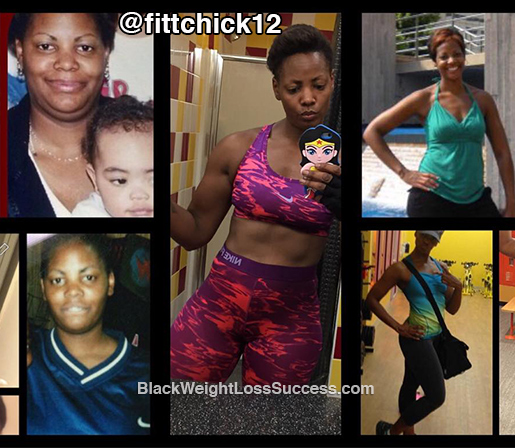
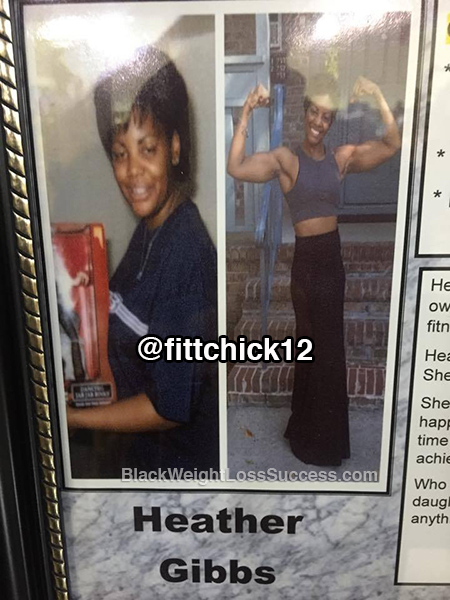
 I began working out by doing Zumba 4 days a week (one hour each class) and walking. I started eating right, cutting out soda and junk food (I may still eat a lil sometimes..lol). I drank lots of water and started eating more baked food, more fruit and more vegetables.

 Sure, we all want to be healthy and fit, but the desire is not the difficult part. It’s keeping the motivation to actually do so that can be very hard! Most of us want to live healthier and more active lives, so we tend to set goals in these areas, but oftentimes we lose motivation or simply give up and don’t reach those goals. Life may get busy, we may get sick or frustrated, or laziness sets in and we decide that achieving our fitness goals is too much of a hassle. It sounds easy enough in theory and in the beginning, but the practical application is not always so easy.
 If you don’t want to fall off your new healthy eating regime you have to be prepared to fight temptation while grocery shopping. It is easy to lose focus and start perusing the aisles aimlessly. Before you know it, you get home and while you’re putting your food away realize you bought junk food that you shouldn’t have or spent much more money than you had budgeted.
 If you’ve decided to join a gym, spending time researching and visiting the local facilities in your area is well worth the extra time on your part. Not all gyms are created equal and there are plenty of horror stories out there about ridiculous contracts (read the fine print), unsafe equipment, inexperienced trainers and even outbreaks of nasty fungus infections in the locker rooms.
 We all see health magazines and fitness buff’s blog posts explaining some way to “ignite your metabolism” or otherwise improve it so you can burn fat. Simply put, it is often recommended that those seeking a healthier body need to focus on improving their metabolism. While this is true in most aspects, many people really have no idea how the metabolism works and how their current lifestyle could be weakening it.