Does MSG Make You Eat More?
MSG, or monosodium glutamate, is a food additive that may be more common than you realize. It’s actually present in roughly 80% of prepared processed foods. This ingredient that is so popular in giving foods flavor may actually be the reason you are struggling to lose weight. Many feel that it may contribute to food addiction and cravings.
What is MSG?
 Monosodium glutamate was originally created by Kikunae Ikeda, a Japanese biochemist. The original reason behind creating MSG was to replicate certain savory flavors found in seaweed. This would then be used to more efficiently make and flavor soups and other meals. Even today the most common foods with monosodium glutamate are Japanese, Korean and Chinese cuisine.
Don’t be fooled into thinking that your Chinese takeout is the only food you eat with MSG however. For example, this additive is extremely common in popular fast food chains that serve very “American” foods. Other foods that are likely to have MSG include flavored chips, canned and dried soups, bouillon cubes, ramen noodles and even salad dressing. So many savory, flavored manufactured food products contain MSG. There are more than 30 forms of MSG, but here are some of the more common forms you’ll see on ingredient lists…
- Glutamic Acid
- Glutamate
- Monosodium Glutamate
- Monopotassium Glutamate
- Calcium Glutamate
- Monoammonium Glutamate
- Magnesium Glutamate
- Natrium Glutamate
Is MSG Healthy?
There is a lot of debate about whether monosodium glutamate is healthy or not. Many people claim MSG is healthy because it occurs naturally in foods like tomatoes and certain cheeses. However, just because something occurs without human intervention doesn’t mean recreating it in a lab will not change its chemical makeup in some way. Additionally, the amount of monosodium glutamate found in whole, natural foods is often far less than what you’re going to get when you eat a package of food, like ramen noodles. The research is mixed…very mixed…so do your own research, but most of all monitor how you feel when eating foods that contain MSG.
There can be side effects of eating large amounts of MSG, which include:
- Headaches or migraines
- Numbness or tingling around the body, particularly the face
- Heart palpitations or chest pain
- Feeling weak or faint
- Nausea
- Feeling feverish (flushing and sweating)
- Hunger within minutes of finishing a meal
These symptoms can vary from person to person, much like allergic reactions. Some people have little to no reaction. While the symptoms tend to dissipate within a couple hours, some individuals can experience prolonged headaches and feeling sick until the next day. Symptoms like these are characteristic of what your body experiences after consuming a toxin. That alone is one reason why limiting MSG or eliminating it from your diet except from natural sources is a good idea.
MSG and Increased Appetite
Aside from possibly making you feel sick, monosodium glutamate also increases appetite. There are a few theories about why this is. Food chemists claim that the flavor of MSG is addictive much like salt is. MSG is actually a very common substitute for salt since it gives a better taste to foods. Humans naturally enjoy salt and it’s easy to overeat on salty foods, just like some people can eat sugary foods excessively.
A study done by Physiology and Behavior used a popular MSG-based soup base called Umami to test their participants. They found that those who had the highest concentration of MSG in their soup ate more and were hungry again more quickly after eating. An additional study highlighted on this webpage was done in China and involved 752 participants. In this event the researchers tracked MSG intake and discovered that consuming the additive triggered weight gain even if the participant exercised and otherwise ate well.
All in all, consuming MSG doesn’t just lead to eat more than you should but also causes your fat cells to increase. This is due to not only overeating calories but by MSG negatively affecting the hormones in your body and brain.
Some people eat MSG on a regular basis and never experience symptoms. Others are very sensitive to the additive and can nearly break out in hives if they eat even a small amount. When making your decision on whether you should eat MSG-laden foods or not it is important to think about whether you’re trying to lose weight and if you do experience certain symptoms that you may not have been aware of. Monosodium glutamate may occur naturally but in our manufactured foods the additive is a man-made chemical almost all of the time.
If you eat foods with MSG in them regularly, try to eliminate them for a few weeks and see how you feel. Be willing to do your RESEARCH on your favorite foods. If you feel better after avoiding MSG you should probably continue avoiding the additive. If you don’t find much of a change, try to introduce the foods back into your diet to see if you get a negative reaction. You may be surprised that the headaches or tiredness that you feel after eating might even be linked to monosodium glutamate.
 Everyone has their favorite sad movies that may be tearjerkers but ultimately have a happy ending or perhaps films that just leave them with some type of strong emotion (sadness, stress, etc). Did you know that indulging in these movies could actually be harming your weight loss goals? Before you stop watching Lifetime movies, check out this info…
 Elimination diets are also known as “free-from” diets and include some very popular types of eating plans, like paleo, gluten-free, sugar-free and dairy-free, just to name a few. Similarly, more people are becoming health-conscious about what they are fueling their bodies with and are deciding to eat organically and largely chemical-free, which spurs a diet that eliminates common chemicals and sweeteners in foods.
 One of the most beneficial things you can do for your overall well-being and health is to eat locally grown foods, especially those that are organic, as much as possible. There are many reasons why it is a good idea to eat organic foods from your local farmer’s market or foods that are sourced locally by grocery stores. Even non-organic local produce has benefits. Here are just a few benefits to consider.
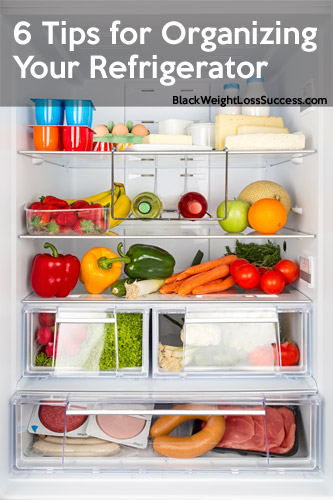 Here are 6 tips for getting your fridge organized.
 People have been eating products the come from soy beans, like soy milk and tofu for hundreds of years. That’s why it’s amazing to me that soy just may be one of the most controversial health foods in the world right now. Soy and products containing soy have become very popular in the US and are often toted as a healthy alternative to meat. Soy-based products such as infant formula are quite common and many food manufacturers use soy as a filler.
 Every year the
  Calorie deficits and weight loss go hand in hand. When you burn more calories than you consume your body will start to drop weight, in theory (medical issues and metabolism problems can be a factor). As an example, let’s say you eat 1,500 calories a day and burn 2,000 calories. If your body needs the 2000 calories, this means your deficit would be 500 calories. Since you aren’t eating the extra 500 calories as food your body takes it from fat reserves instead. Ideally you will have a calorie deficit of 500 to 1,000 calories depending on your weight and activity level. Each person’s situation is different.